Beer and Food Pairing: The Three Cs and How to Use Them
The Three Cs and How to Use Them
Good beer and food pairing comes down to three moves: complement (match similar flavors), contrast (balance opposite ones) and cut (use carbonation and bitterness to clear richness off your palate). Before any of those, match intensity, so that neither the beer nor the dish drowns the other out.
Quick facts
- Complement: roasty stout with grilled or smoked meat; caramel-malty brown ale with roast pork.
- Contrast: sweet malt against spicy heat; tart beer against rich, sweet desserts.
- Cut: bubbly, bitter pale ales and IPAs against fried food, cream sauces and fatty fish.
- Intensity first: light beers with light dishes, big beers with big dishes.
- Pair to the whole plate, not just the protein. Sauce and cooking method matter more.
Start with intensity
Before thinking about flavors, ask how loud each side is. A delicate pilsner disappears next to braised short ribs. An imperial stout bulldozes a green salad. The safest first step is to match weight with weight: lighter, crisper beers with salads, seafood and mild cheeses; fuller, darker or stronger beers with roasts, stews and aged cheese.
Intensity comes from several places in beer: alcohol level, malt richness, roast, hop bitterness and body. A quick look at ABV and IBU on the label gives you a rough read before you even pour.
Complement: echo the flavors
Complementing means finding shared notes and letting them amplify each other. Malt is the easiest bridge. Caramel, toast, roast, coffee and chocolate flavors from malt line up naturally with anything browned, grilled, roasted or smoked, because the same kinds of reactions create those flavors in both the kettle and the kitchen.
Hops work too. Citrusy, herbal or floral hops echo cilantro, lime, ginger and fresh herbs. A wheat beer with clove and banana notes suits dishes built on warm spices.
Examples
- American brown ale with roast pork, mushrooms or a burger with caramelized onions.
- Stout or porter with smoked brisket, grilled steak or chocolate desserts.
- American IPA with citrus-marinated chicken or tacos with lime and cilantro.
- Hefeweizen with mussels, sausages or a spiced carrot salad.
Contrast: balance opposites
Contrast pairs a beer with a dish whose main trait it can offset. Malt sweetness calms chili heat. Roasted bitterness tempers a very sweet dessert. A tart beer sharpens a rich, sweet dish the way a squeeze of lemon would.
Contrast is riskier than complement, and also where the memorable pairings live. The goal is not to cancel the dish but to keep its best qualities while trimming the excess.
Examples
- Malty amber or brown ale with spicy wings or Nashville-style hot chicken.
- Dry stout with oysters, where the roast plays against the brine.
- Malty stout with a pungent blue cheese.
- Tart or sour beer with cheesecake or fruit desserts.
One caution on spicy food: alcohol makes capsaicin feel hotter, so high-ABV beers tend to amplify the burn. Lower-alcohol beers with some malt sweetness are the better match for real heat.
Cut: reset the palate
Carbonation scrubs the tongue and hop bitterness slices through fat. That is why a crisp, bubbly beer works so well with fried, oily and creamy food: each sip resets your palate so the next bite tastes as good as the first.
Examples
- American IPA with fish and chips, fried chicken or a cheeseburger.
- Pale ale with fettuccine alfredo or mac and cheese.
- Pilsner or kolsch with fried calamari or tempura.
- Crisp lager or Mexican lager with carnitas.
Pairing by beer style
| Style | Easy matches | Main principle |
|---|---|---|
| Light lager, pilsner | Salads, seafood, fried snacks, mild cheese | Cut, intensity |
| Kolsch | Grilled fish, chicken, soft pretzels | Cut |
| Hefeweizen | Mussels, sausages, brunch dishes | Complement |
| American IPA | Fried food, spicy curries in moderation, aged cheddar | Cut, contrast |
| Brown ale | Roast pork, barbecue, burgers, nutty cheeses | Complement |
| Porter and stout | Smoked meat, oysters, chocolate | Complement, contrast |
| Belgian dubbel | Braised meats, stews, washed-rind cheese | Complement |
For regional specifics, see our guide to beer and barbecue.
Practical tips for a pairing at home
- Pair to the preparation. Grilled chicken with chimichurri and poached chicken with cream sauce need different beers.
- Taste in small amounts. Take a bite, then a modest sip, then another bite. Pairings reveal themselves on the second round.
- Serve at the right temperature. A cold, muted beer makes for a muted pairing. See beer serving temperature.
- Go light to heavy. If you are serving several beers through a meal, start with lighter, crisper beers and move toward darker, richer ones, the same way a menu builds.
- Trust your own palate. These are frameworks, not rules. If a combination tastes good to you, it is a good pairing.
From the Lonerider lineup
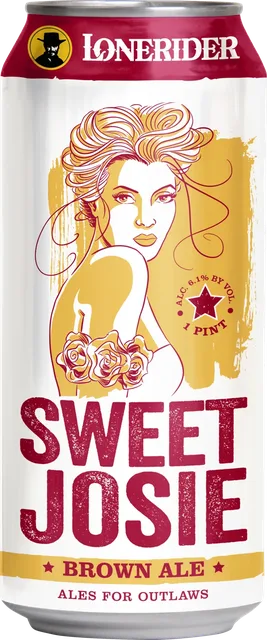
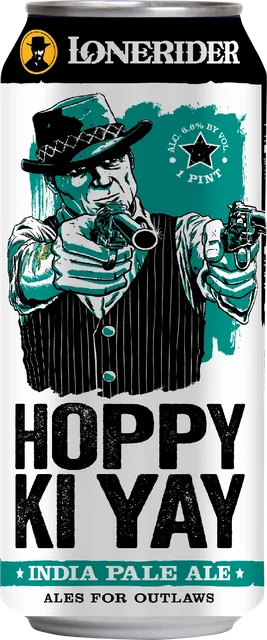
Sweet Josie, an American brown ale (6.1% ABV, 30 IBU), is a natural complement pairing for roast pork, mushrooms and grilled burgers. For the cut approach, Hoppy Ki Yay, an American IPA with citrus and mango aroma, takes on fried chicken and fish tacos.
FAQ
What are the three Cs of beer and food pairing?
Complement, contrast and cut. Complement matches similar flavors, such as a roasty stout with grilled meat. Contrast balances opposites, such as malty sweetness against spice. Cut uses carbonation and bitterness to clear rich or fried food from your palate.
What beer goes best with spicy food?
Lower-alcohol beers with some malt sweetness, such as amber, brown ale or a malty lager. Alcohol intensifies chili heat, so very strong beers can make spicy food feel hotter. Moderately hoppy beers work for many people, but very bitter ones can clash with heavy heat.
Is beer better than wine with food?
Neither is universally better, but beer brings tools wine lacks: carbonation to scrub the palate and roasted malt flavors that echo grilled and smoked food. Beer is especially strong with fried food, spicy dishes and cheese.
What beer goes with cheese?
Match intensity. Fresh, mild cheeses suit wheat beers and pilsners. Sharp cheddar pairs well with IPA or brown ale. Blue cheese is a classic with stout or barleywine, and washed-rind cheeses work with Belgian ales.