Beer and North Carolina Barbecue: Eastern vs Lexington Pairings
Eastern vs Lexington Pairings
For Eastern North Carolina barbecue, with its whole hog and sharp vinegar-and-pepper sauce, reach for a crisp, clean beer like a kolsch, pilsner or Mexican-style lager. For Lexington-style barbecue, with smoky shoulder and a slightly sweeter tomato-vinegar dip, a malty amber or American brown ale is the classic complement.
Quick facts
- Eastern style: whole hog, chopped, seasoned with cider vinegar, red pepper and salt. White or yellow slaw.
- Lexington (Piedmont) style: pork shoulder, chopped or sliced, served with a thin "dip" of vinegar and tomato. Red slaw made with ketchup or dip.
- Common sides: hush puppies across the state; Brunswick stew and corn sticks are common in the east.
- Best beers for Eastern: kolsch, pilsner, light or Mexican-style lager, hefeweizen.
- Best beers for Lexington: brown ale, amber, porter, or a balanced IPA.
The two North Carolina styles
North Carolina has argued about barbecue for generations, and the argument is mostly about geography, cut and sauce.
Eastern barbecue comes from the Coastal Plain and is generally considered the older of the two. A whole split hog is cooked slowly over coals, basted with a mix of vinegar and pepper, then pulled or chopped and seasoned with more of the same. The sauce is thin and sharp: cider vinegar, red pepper and salt, with some cooks in the southeastern part of the state adding a little sugar or Worcestershire. Some places consider bits of crisp skin chopped into the meat essential. The slaw is white or yellow and often goes right on the sandwich.
Lexington-style barbecue, also called Piedmont style, centers on the town of Lexington and the surrounding Piedmont. It uses pork shoulder instead of the whole hog, traditionally cooked in closed brick pits, and served chopped or sliced, sometimes with extra outside brown (the smoky bark). The sauce, usually called dip, is still thin and vinegar-forward, but it adds tomato or ketchup and often a bit of sugar, so it reads redder, sweeter and rounder than the eastern version. Red slaw, colored with ketchup or dip, is the signature side.
Both styles share thin, vinegar-based sauces and a love of hush puppies. You can read more about how flavors interact in our main guide to beer and food pairing.
Pairing beer with Eastern barbecue
Eastern barbecue is all about pork fat, smoke and a lot of acid. The vinegar already does some of the cutting work, so the beer does not need heavy bitterness. What it needs is crispness and carbonation to keep up, and enough restraint not to fight the sauce.
- Kolsch and pilsner. Light, dry and lively. They clear the palate between bites and let the pepper and smoke stay in front. See our kolsch guide.
- Mexican-style and light lagers. Clean, cold and refreshing, which is exactly what a plate with this much tang and heat wants. More in Mexican lager and light lager.
- Hefeweizen. Soft wheat and gentle banana and clove notes round off the sharp vinegar. A good contrast pick. See hefeweizen.
- Go easy on very bitter IPAs. High bitterness plus a vinegar-pepper sauce can turn harsh. A moderate pale ale is a safer hoppy choice.
Pairing beer with Lexington-style barbecue
Lexington dip brings tomato sweetness, and shoulder meat brings more smoky bark. That opens the door to maltier beers that echo caramelization and smoke.
- American brown ale. Toasty, caramel and nutty malt flavors meet the bark head on, while moderate bitterness keeps things from getting heavy. This is the textbook complement pairing. See American brown ale.
- Amber ale. Similar logic with a slightly lighter body.
- Porter. Roasted malt plays well with smoke; a good choice for sliced, extra-brown barbecue. See porter vs stout.
- Balanced American IPA. Hop bitterness cuts the fat, and citrus notes brighten the dip. Choose one that is not aggressively bitter. More in American IPA.
Beer with the sides
- Hush puppies: almost any crisp lager or kolsch. Fried cornmeal is a classic cut pairing.
- Red slaw: brown ale or amber, which match its ketchup sweetness.
- Vinegar or white slaw: pilsner or kolsch.
- Brunswick stew: brown ale or porter, which match its savory, tomato-rich depth.
- Banana pudding: a porter or stout makes a fine contrast.
Serving tips for a barbecue spread
Serve the light beers well chilled and the malty ones a little warmer, closer to 45 to 50°F, so their toasty flavors show. Our guide to beer serving temperature has the full chart. If you are pouring several beers, put out lighter options for the eastern side of the table and maltier ones for the Lexington side, and let people argue about the rest. Keep water and non-alcoholic options on the table too.
From the Lonerider lineup
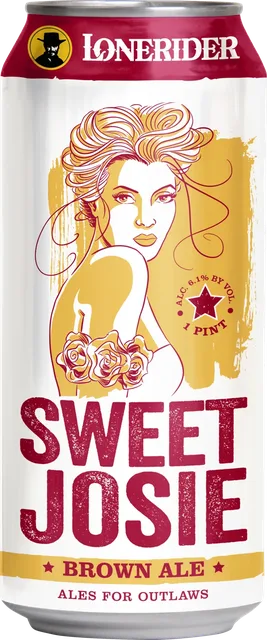
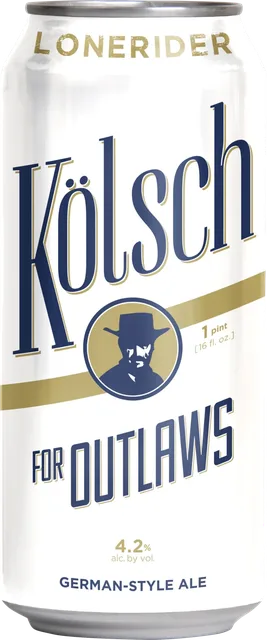
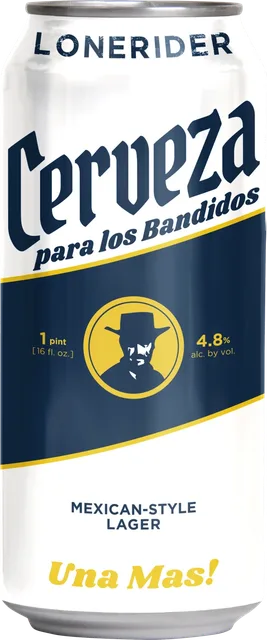
Sweet Josie, an American brown ale (6.1% ABV, 30 IBU) and a 2010 GABF gold medal winner, is a natural partner for Lexington-style shoulder and red slaw. For Eastern whole hog, Kolsch for Outlaws and Cerveza para los Bandidos bring the crisp, clean finish that vinegar sauce wants.
FAQ
What beer goes best with pulled pork?
It depends on the sauce. With vinegar-based Eastern North Carolina barbecue, a crisp lager, pilsner or kolsch works best. With sweeter, tomato-based sauces like Lexington dip, a brown ale or amber complements the caramelized, smoky flavors.
What is the difference between Eastern and Lexington barbecue?
Eastern barbecue uses the whole hog and a thin sauce of vinegar, red pepper and salt, with white or yellow slaw. Lexington, or Piedmont, barbecue uses pork shoulder and a vinegar sauce with tomato or ketchup added, served as dip, with red slaw.
Does IPA go with barbecue?
A balanced IPA works well, especially with fatty, smoky shoulder, because bitterness and carbonation cut the richness. Very bitter IPAs can clash with sharp vinegar sauces, so moderate hop bitterness is usually the safer choice.
What beer goes with brisket?
Brisket is fatty and heavily smoked, so it suits malt-forward beers such as brown ale, porter or stout, which echo the bark. A crisp lager is the contrast option if you want something lighter between bites.