Hops Explained: Bitterness, Aroma and the Varieties That Matter
Bitterness, Aroma and the Varieties That Matter
Hops are the cone-shaped flowers of the hop plant, and in beer they do two separate jobs: bitterness and aroma. Which job a hop does depends mostly on when the brewer adds it. Boil it for an hour and you get bitterness; add it at the end of the boil or after fermentation and you get aroma.
Hops also help keep beer stable, and their bitterness balances the sweetness of malt. Without them, most beer would taste cloying and flat.
Quick facts
- Plant: Humulus lupulus; brewers use the female flower cones.
- Bitterness comes from alpha acids, which must be boiled to become soluble, bitter iso-alpha acids.
- Aroma comes from essential oils, which are volatile and boil away easily.
- Most isomerization happens in the first hour of the boil.
- Landmark US varieties: Cascade (1972), Simcoe (2000), Citra (2007), Mosaic (2012).
What's inside a hop cone
Open a dried hop cone and you will find tiny yellow glands called lupulin. They hold the two things brewers care about.
Alpha acids (humulones) are the source of bitterness. On their own they barely dissolve in beer. Boiling rearranges them into iso-alpha acids, which do dissolve and taste bitter. Hop varieties are sold with their alpha acid percentage listed so brewers can calculate bitterness.
Essential oils carry the aroma: citrus, pine, tropical fruit, flowers, herbs, spice. Myrcene, humulene, linalool and geraniol are some of the names you will see on spec sheets. These oils are fragile and evaporate readily in boiling wort.
Bitterness vs aroma: it's all timing
The same hop can play either role depending on when it hits the wort.
Bittering additions go in at the start of a roughly 60-minute boil. That is long enough to isomerize a meaningful share of the alpha acids. Most of the conversion happens within that first hour, so boiling much longer adds little. The aroma oils from these early hops are almost entirely boiled off.
Flavor and aroma additions go in during the last 15 minutes or so. Less isomerization, more surviving oil.
Whirlpool or hop stand additions go in after the flame is off, while the wort is still hot. Brewers of modern IPAs lean on this for big fruit character with moderate bitterness.
Dry hopping adds hops to fermenting or finished beer, cold. Almost no isomerization happens at those temperatures, so the result is aroma with very little classic bitterness. That technique gets its own article: dry hopping.
The bitterness that results is measured in IBUs. Why the number on the can does not always match what your tongue reports is covered in ABV and IBU explained.
Common US hop varieties
American hops are known for bold citrus, pine and tropical fruit, a contrast to the earthier, spicier character of classic English and German hops. A few varieties do a lot of the heavy lifting.
Cascade. Released in 1972 by the USDA breeding program, Cascade is the hop that defined the American pale ale. It is relatively low in alpha acids (about 4.5 to 6 percent) and smells floral, spicy and citrusy, with a grapefruit edge. If an older American pale ale tastes like grapefruit peel, Cascade is the usual suspect.
Simcoe. Released in 2000 by Select Botanicals Group, Simcoe runs high in alpha acids (about 12 to 14 percent), so it can bitter efficiently, but brewers prize it for aroma: pine, passion fruit, earthiness and citrus. It shows up constantly in West Coast IPAs.
Citra. Released in 2007 by the Hop Breeding Company (a joint venture of John I. Haas and Select Botanicals Group), Citra brought intense grapefruit, lime and tropical fruit. Alpha acids run about 11 to 13 percent. Citra helped drive the shift toward fruit-forward IPAs. As of 2024, USDA data names Citra, CTZ, Mosaic, Simcoe and Cascade as the top five US varieties, together covering half of the acreage strung for harvest.
Mosaic. Released in 2012 by the Hop Breeding Company, Mosaic is a daughter of Simcoe crossed with a Nugget-derived male. It is famously layered: tangerine, peach, passion fruit, blueberry, plus some earthy and piney notes. Alpha acids sit around 11.5 to 13.5 percent.
Other names you will see often include Centennial (strong citrus, sometimes described as a more intense Cascade) and Amarillo (orange and floral). Brewers frequently blend varieties, so a single IPA might use three or four.
Hop forms: whole cone, pellet and beyond
Most breweries use pellets, which are hops milled and pressed into small cylinders. They store better and take up less space than whole cones. Some brewers prefer whole cone hops for certain uses. Newer concentrated products, such as lupulin powder and hop extracts, let brewers add more aroma or bitterness with less plant material.
Hops and freshness
Hop aroma is one of the first things to fade in a packaged beer. Warm storage and oxygen both speed that decline, and old, oxidized hops can even shift bitterness character. That is why hop-forward styles like American IPA and hazy IPA are best drunk fresh and stored cold. Practical advice is in how to store beer.
From the Lonerider lineup
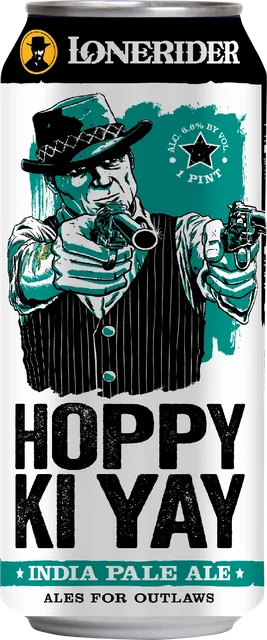
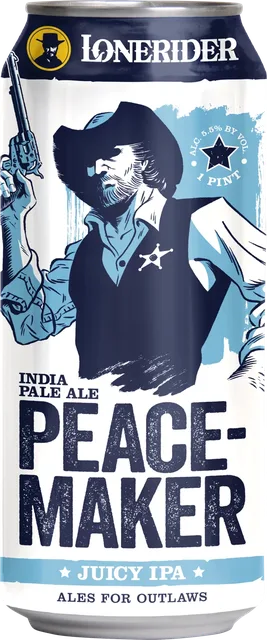
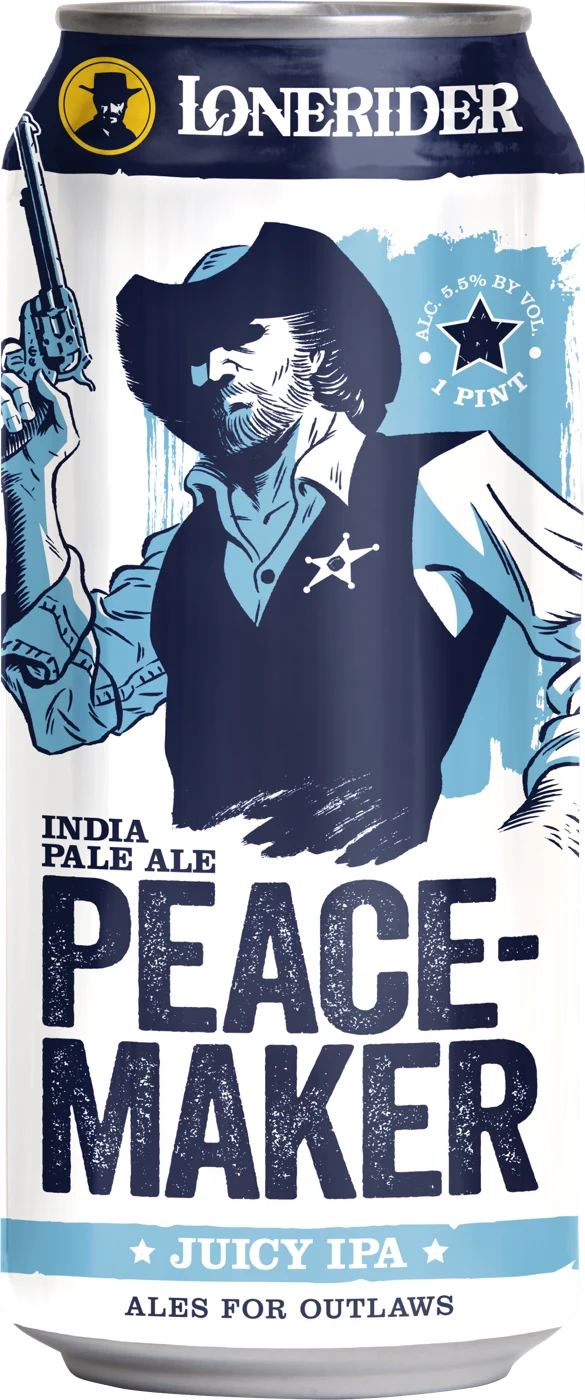
Hoppy Ki Yay is an American IPA at 6.6% ABV and 61 IBU with citrus and mango aroma, a good example of hops doing both jobs at once. For the aroma side without the bite, Peacemaker is a juicy IPA at 5.5% ABV with big citrus aroma and low bitterness.
FAQ
What do hops do in beer?
Hops add bitterness to balance malt sweetness, contribute aroma and flavor such as citrus, pine or tropical fruit, and help keep beer stable. When the brewer adds them decides which of those roles they mainly play.
Why are some IPAs bitter and others not?
Bitterness depends on how many hops are boiled and for how long. Many modern hazy or juicy IPAs add most of their hops late in the boil or during fermentation, which builds aroma while keeping bitterness low.
What does Citra hop taste like?
Citra is known for grapefruit, lime and tropical fruit such as passion fruit and mango. It is one of the most recognizable American aroma hops.
What is the difference between Mosaic and Citra?
Both are fruit-forward American aroma hops from the Hop Breeding Company. Citra leans toward sharp citrus and tropical fruit, while Mosaic is more layered, with tangerine, peach and blueberry plus earthy and piney notes.
Are hops related to cannabis?
Yes, distantly. Hops and cannabis both belong to the plant family Cannabaceae, which explains why some hop varieties share similar aromatic compounds. Hops do not contain THC.