Dry Hopping: What It Is and How It Changes Beer
What It Is and How It Changes Beer
Dry hopping means adding hops to beer after the boil, usually during or after fermentation, when the beer is cool. Because there is no boiling, the hops contribute aroma and flavor (citrus, tropical fruit, pine, flowers) without much of the classic bitterness that boiled hops create.
The name is a little misleading. Nothing is dry; the hops go straight into liquid beer. "Dry" simply means "not in the hot kettle."
Quick facts
- When: during active fermentation or after it, at cellar temperatures.
- What it adds: aroma and flavor from hop oils.
- What it mostly skips: boiled bitterness, because alpha acids need heat to become bitter iso-alpha acids.
- Research sweet spot: about 4 to 8 grams of hops per liter gave balanced aroma in Oregon State work with Cascade.
- Side effects: possible "hop burn," extra bitterness from other hop compounds, and hop creep.
How dry hopping works
Hops carry two kinds of useful material: alpha acids, which become bitter only when boiled, and essential oils, which hold the aroma. In the kettle, a long boil turns alpha acids bitter but drives most of those volatile oils off into the air. That is why a beer hopped only at the start of the boil can be bitter without smelling especially hoppy.
Dry hopping flips the equation. Cold beer cannot isomerize alpha acids, so bitterness stays relatively low, but the oils dissolve into the beer and stay there. The result is a beer that smells like an open bag of hops.
Brewers usually add pellets directly to the fermenter, sometimes in mesh bags, sometimes loose. Contact times vary, from about a day to several days, and many brewers split the dose into two or more additions. Much of the modern research on the technique comes from Tom Shellhammer's fermentation science group at Oregon State University.
How much hops, and does more help?
Not always. In Shellhammer's work with Cascade dry-hopped into a pale ale at rates from 2 to 16 grams per liter, oil extraction nearly saturated above about 8 g/L, and citrus character topped out even earlier, around 4 g/L. At the highest rates, the aroma shifted toward herbal and tea-like rather than brighter citrus. The practical takeaway from that research: roughly 4 to 8 g/L gave balanced aroma, and doubling beyond that delivered diminishing returns.
Early vs late dry hopping
During active fermentation (sometimes called biotransformation dry hopping): hops go in while yeast is still working. Brewers who favor it are usually chasing a juicier, softer fruit character, and it is common in hazy IPA. It also raises the odds of hop creep, covered below.
After fermentation: hops go in once yeast has mostly finished. This tends to give a brighter, more defined hop aroma and is common in West Coast style American IPA.
Many brewers do both, splitting the dose into multiple additions.
Dry hopping and bitterness
The old assumption was that dry hopping adds zero bitterness. That turns out to be wrong. Hops contain humulinones (oxidized alpha acids) and polyphenols that dissolve without heat and can add real bitterness and astringency, sometimes called hop burn, in heavily dry-hopped beers. Old or oxidized hops carry more humulinones, so freshness of the hops themselves matters.
There is also a twist for anyone reading cans: heavy dry hopping can lower the measured IBU while the beer still tastes bitter, because the standard IBU test reads these compounds differently. That is one reason a hazy IPA's IBU number is a weak guide. More in ABV and IBU explained.
Hop creep
Hops contain small amounts of enzymes that can break unfermentable dextrins into simpler sugars. When hops are added to beer that still has live yeast, the yeast can ferment those newly freed sugars. That surprise refermentation is called hop creep.
In one experiment Shellhammer has described, from a 2018 paper in the Journal of Agricultural and Food Chemistry, a dry-hopped commercial lager held for 40 days lost about half its remaining gravity and gained 1.3 percentage points of ABV, but only when both hops and yeast were present. Tests in his lab also showed diacetyl (a buttery off flavor) rising sharply under hop creep conditions. For brewers, hop creep can mean off flavors, beer that is drier and stronger than planned, and overcarbonated packages if it happens after packaging. Breweries manage it by giving beer extra time after dry hopping, controlling temperature and checking gravity before packaging.
Why dry-hopped beer should be drunk fresh
The same delicate oils that make dry hopping worthwhile are the first things to fade. Heat and oxygen dull them within weeks, and the beer drifts from fresh citrus toward something flatter and sometimes papery. Keep dry-hopped beers cold and drink them soon; details in how to store beer. For hop varieties and what they smell like, see hops explained.
From the Lonerider lineup
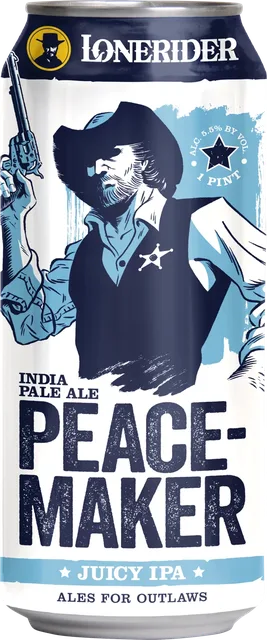
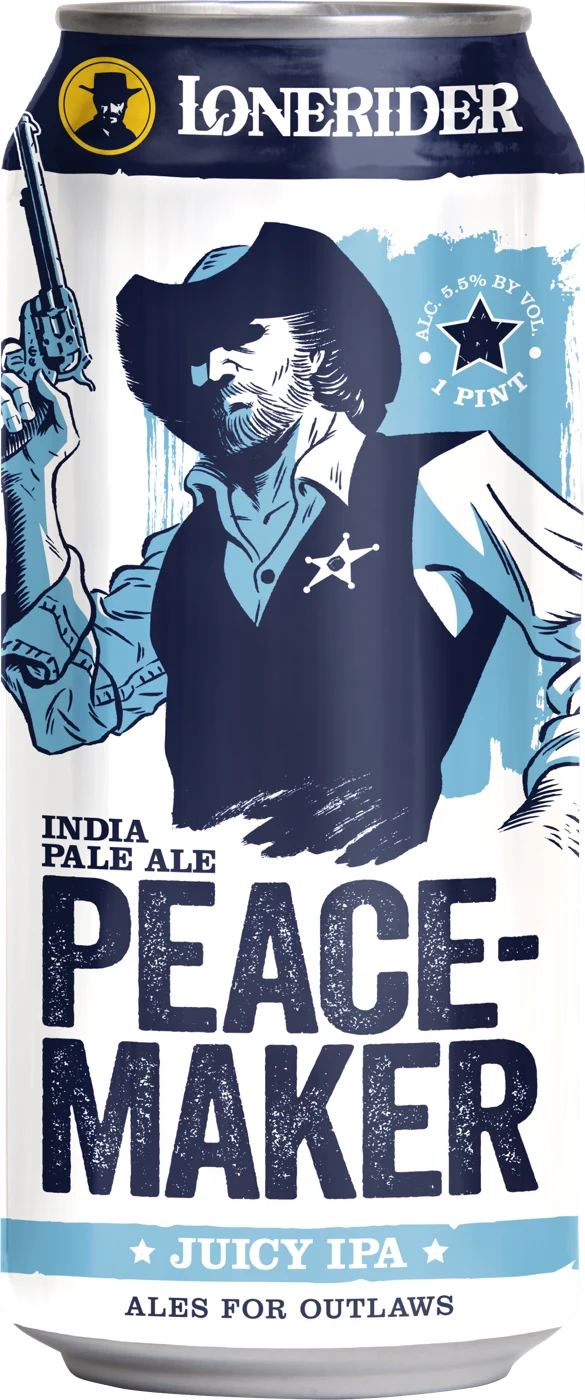
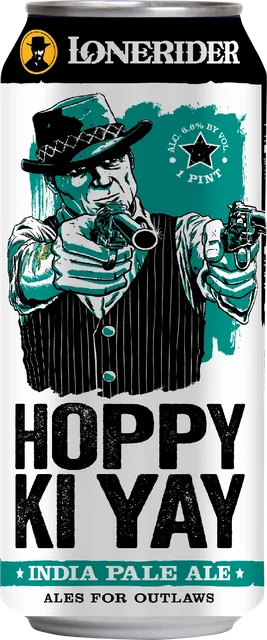
Two beers show the aroma-first idea behind this article. Peacemaker is a juicy IPA at 5.5% ABV with big citrus aroma and low bitterness. Hoppy Ki Yay, an American IPA at 6.6% ABV and 61 IBU, pairs citrus and mango aroma with firmer bitterness.
FAQ
What does dry hopping do to beer?
Dry hopping adds hop aroma and flavor, such as citrus, tropical fruit or pine, without much boiled bitterness. The hops steep in cool beer, so their aromatic oils stay in the beer instead of boiling away.
Does dry hopping add bitterness?
A little. It adds very few iso-alpha acids, the main bitter compounds from boiling, but humulinones and polyphenols from the hops can add some bitterness and astringency, especially at high rates.
What is hop creep?
Hop creep is unexpected extra fermentation caused by enzymes in dry hops that turn unfermentable sugars into fermentable ones. It can raise alcohol, create buttery diacetyl and overcarbonate packaged beer.
How long do you dry hop beer?
Commercial practice ranges from about one day to several days, often in more than one addition. The right timing depends on the beer, the temperature and how the brewery manages yeast and hop creep.
Is dry hopping only for IPAs?
No. It is most associated with IPAs and pale ales, but brewers dry hop lagers, sours and other styles when they want a fresh hop aroma.