
Cask-Finished Whiskey: What a Finish Is, What It Adds and How Labels Say It
What a Finish Is, What It Adds and How Labels Say It
Cask-finished whiskey is whiskey that completes its main maturation in one barrel and then moves into a second cask, usually one that previously held another drink, for a shorter extra stretch. That second cask (sherry, port, wine, rum, tequila or beer are the usual suspects) adds a layer of flavor on top of what the first barrel built.
Quick facts
- Also called: secondary maturation, double maturation, cask finishing.
- Order of events: main aging first, finishing cask second.
- Common finishing casks: sherry, port, red and white wine, rum, tequila, stout and IPA.
- Length: no legal minimum or maximum. It ranges from weeks to years depending on the producer and the cask.
- Early landmark: Balvenie's David Stewart re-casked American oak matured whisky into sherry butts for a release created in 1983, later renamed Double Wood.
- US labeling: finished bourbon is labeled with a statement such as "bourbon whisky finished in sherry barrels," not simply "bourbon whisky."
What is a cask finish?
Most of a whiskey's color and a large share of its flavor come from wood. During the main maturation the spirit pulls vanilla, caramel and spice out of the oak while slow oxidation rounds off the rough edges. A finish is a second chapter. The matured whiskey is emptied into a cask with a different history and left there until the new cask has said what it has to say.
Finishing became mainstream in Scotland in the 1980s and 1990s, when Balvenie, Glenmorangie and Diageo all experimented with sherry butts. Within about two decades it went from experiment to standard practice, and American distillers picked it up with enthusiasm.
How a finishing cask changes flavor
A used cask contributes in two overlapping ways.
- The liquid in the wood. Oak absorbs some of whatever it held. The Scotch Whisky Research Institute calls this "indrink," and it can be substantial: up to about 12% of a 500 liter sherry butt's contents can soak into the staves over two years. Some of that comes back out when whiskey goes in.
- The changed wood. The previous contents also alter the oak itself. Some distillers argue this matters more than any leftover liquid, since pouring a little sherry into whiskey does not do much on its own. The debate is unsettled.
Cask size, char or toast level, how many times the cask has been filled and how long the whiskey stays all change the intensity. Small or freshly emptied casks work fast. The craft is in stopping before the finish drowns the whiskey underneath.
Common finishes and what they bring
- Sherry: dried fruit, nuts, baking spice, a rounder texture. Oloroso and Pedro Ximenez are the most common. See our full guide to sherry cask finishes.
- Port: red berries, plum, a jammy sweetness and often a slight blush in color.
- Wine: red wine casks lean toward dark fruit and tannin; white wine casks toward orchard fruit and a little acidity.
- Rum: brown sugar, molasses, banana, tropical fruit.
- Tequila: cooked agave, white pepper, citrus peel and a lighter, drier edge. More in our tequila cask finish guide.
- Beer: stout casks add roast, coffee and cocoa; IPA casks add citrus and a faint hop bitterness. See beer cask finished whiskey.
How US labels must describe a finished bourbon
This is where cask finishing runs into federal law. Under the standards of identity in 27 CFR 5.143, bourbon must be stored in charred new oak barrels at 125 proof or less, and straight bourbon must be stored that way for at least 2 years. Bourbon also may not contain added coloring, flavoring or blending materials.
A barrel that previously held sherry, rum or stout is not new. So in TTB's view, once bourbon spends time in that second barrel it no longer meets the bourbon standard on its own terms. In examples TTB presented at a 2024 industry conference, a bourbon aged 1 year in charred new oak and then 1 year in used sherry barrels is classified as a distilled spirits specialty, and the finishing barrel has to be described in the product's formula.
Specialty products are labeled with a statement of composition that must be "truthful and adequate" (27 CFR 5.156 and 5.166). TTB's acceptable examples read:
- "Bourbon whisky finished in wine barrels"
- "Bourbon whisky finished in sherry barrels"
TTB's examples of inadequate labeling include using the word "bourbon" without "whisky," and labeling the product "bourbon whisky" with "aged in sherry casks" tucked away in the descriptive text.
What about straight bourbon? The spirit has to qualify as straight bourbon before it goes into the finishing cask, and producers commonly name the base that way, as in "straight bourbon whiskey finished in port casks." The finished product as a whole is still a specialty, not a straight bourbon. If you want to know what you are drinking, read the whole phrase, not just the biggest word on the label. Our guide on how to read a whiskey label covers the rest of the fine print, and what is bourbon covers the base rules.
How to taste a finished whiskey
Pour a measured amount, let it sit a few minutes and nose it before tasting. If you can, put it next to an unfinished bourbon: the difference is the finish. Look for the base (vanilla, caramel, oak) first, then the layer on top. A few drops of water often open up the finishing notes. More on method in how to taste whiskey.
From Lonerider Spirits
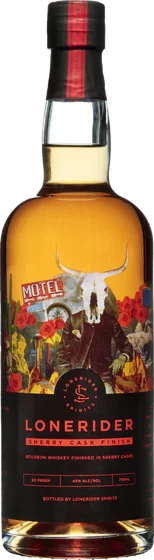
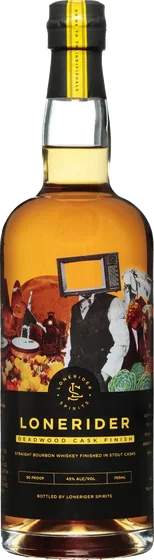
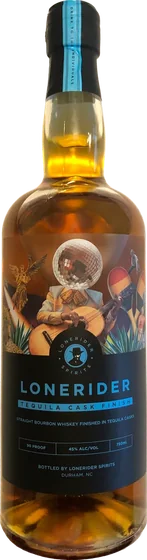
Our cask finished whiskeys cover three of the casks above: Sherry Cask Finish, a high rye bourbon whiskey finished in sherry casks; Deadwood Cask Finish, straight bourbon whiskey finished in stout casks; and Tequila Cask Finish, straight bourbon whiskey finished in tequila casks. Each is 90 proof (45% ABV).
FAQ
What does "finished in" mean on a whiskey label?
It means the whiskey completed its main aging and then spent extra time in a second cask, usually one that held another drink. The phrase names that second cask, such as sherry, port or stout casks.
Is finished bourbon still bourbon?
Not as a standalone class under TTB's current view. Because bourbon must be stored in charred new oak, time in a used sherry or wine barrel makes the finished product a distilled spirits specialty, labeled with a statement such as "bourbon whisky finished in sherry barrels."
How long is a cask finish?
There is no legal rule. Finishes run from a few weeks to a year or more, depending on cask size, how active the wood is and the flavor the producer wants.
What is the difference between double cask and cask finished?
They usually describe the same idea: maturation in two different casks, one after the other. "Finished" emphasizes that the second cask came last and for a shorter time.
Which cask finish is best for a beginner?
Sherry and port finishes are the most familiar and tend to read as dried fruit and gentle sweetness. Beer and tequila finishes are more distinctive and worth trying side by side once you know the base spirit.