
Tequila Cask Finish: Bourbon in Tequila Barrels, Explained
Bourbon in Tequila Barrels, Explained
A tequila cask finish is whiskey that, after its main aging, spends extra time in an oak barrel that previously held aged tequila. The finish usually adds cooked agave, white pepper, citrus peel and a lighter, drier edge to the vanilla and caramel of the base whiskey.
Quick facts
- What it is: a secondary maturation in a cask that held reposado, añejo or extra añejo tequila.
- Why it works: much aged tequila is matured in used American whiskey barrels, so the cask often started life holding bourbon.
- Typical flavors added: cooked agave, pepper, citrus, a faint earthy or herbal note.
- Label wording in the US: a phrase such as "bourbon whiskey finished in tequila casks."
- Character: usually lighter and brighter than sherry or stout finishes.
Tequila categories and which ones see oak
Tequila is defined by Mexico's official standard, NOM-006-SCFI-2012, and certified by the Consejo Regulador del Tequila. It must be made from blue agave, with at least 51% of the sugars coming from agave for plain "tequila" and all of them for "tequila 100% de agave." The aging categories, as summarized by Mexico's consumer protection agency, Profeco:
- Blanco (or plata): unaged in practice. It may rest in oak for less than 2 months, but most are bottled soon after distillation.
- Joven (or oro): blanco blended with aged tequila, or blanco adjusted with permitted additives such as caramel color.
- Reposado: at least 2 months in contact with oak.
- Añejo: at least 1 year in oak containers of no more than 600 liters.
- Extra añejo: at least 3 years in oak containers of no more than 600 liters.
So the casks that end up finishing whiskey come from reposado, añejo and extra añejo production. A barrel that held añejo or extra añejo has spent long enough with tequila to pick up real character.
The barrel loop: bourbon to tequila and back
Here is the part that makes tequila finishing feel a little circular. Bourbon must be stored in charred new oak barrels, so every bourbon barrel is used once for bourbon and then sold on. Scotch distillers, brewers and tequila producers all buy them. Used American whiskey barrels dominate tequila aging, mostly because they are cheap and plentiful, and partly because the leftover whiskey character softens tequila in a way American drinkers like.
The typical journey looks like this:
- A new charred oak barrel ages bourbon in the United States.
- The empty barrel goes to Mexico, where it ages reposado, añejo or extra añejo tequila for months or years.
- The tequila-soaked barrel comes back north and is filled with matured bourbon for a finish.
By the end, the oak has traded flavor in both directions. The tequila picked up caramel and vanilla from the bourbon wood; the bourbon now picks up agave and pepper from the tequila. The result is less of a stretch than it sounds, because the two spirits already share a cask.
One labeling note: because the finishing barrel is not new, a bourbon finished in tequila casks is labeled with a statement such as "bourbon whiskey finished in tequila casks" rather than as plain bourbon. Our guide to cask finished whiskey explains why.
What a tequila finish adds
Expect the bourbon to stay in charge, with tequila in a supporting role:
- Cooked agave: a sweet, roasted vegetal note, somewhere between baked sweet potato and honey.
- Pepper: white and black pepper, sometimes a little green chile.
- Citrus: lime or grapefruit peel, which lifts the finish.
- Lightness: a drier, brighter profile than you get from sherry, port or stout casks.
Because tequila is a lighter spirit than oloroso sherry or imperial stout, tequila finishes rarely bulldoze the base. That makes them a good entry point to finished whiskey for someone who likes bourbon but finds heavily sherried bottles too sweet.
Cocktail uses
A tequila cask finished bourbon bridges two cocktail families. Some ideas, made with a measured pour:
- Old Fashioned: swap the simple syrup for a small amount of agave syrup and use an orange or grapefruit twist. The agave note in the whiskey has something to talk to.
- In place of añejo tequila: in stirred drinks that call for añejo, such as an añejo Old Fashioned, a tequila finished bourbon slots in easily.
- Whiskey sour with lime: use lime instead of lemon for a drink that leans toward a margarita without becoming one.
- Highball: with grapefruit soda and a squeeze of lime, in the spirit of a Paloma.
Neat, add a few drops of water to bring out the pepper and citrus. More recipes in bourbon cocktails.
From Lonerider Spirits
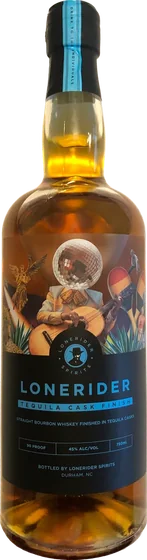
Our Tequila Cask Finish is straight bourbon whiskey finished in tequila casks, 90 proof (45% ABV). It is light and easy in character, and it works in cocktails that call for an añejo tequila.
FAQ
What does tequila cask finish mean?
It means the whiskey completed its main aging and then spent extra time in a barrel that previously held aged tequila. The finish adds agave, pepper and citrus notes on top of the whiskey's vanilla and caramel.
Is tequila aged in bourbon barrels?
Very often, yes. Reposado, añejo and extra añejo tequilas are commonly aged in used American whiskey barrels, because bourbon can only use a barrel once and the used barrels are plentiful.
How long does tequila have to age to be añejo?
At least 1 year in oak containers of no more than 600 liters. Reposado needs at least 2 months in oak, and extra añejo at least 3 years in containers of no more than 600 liters.
Does tequila cask whiskey taste like tequila?
It tastes like whiskey with a tequila accent. Most people notice a little cooked agave and pepper in the aroma and finish, while the body stays recognizably bourbon.
What cocktails use tequila cask finished whiskey?
It works in an Old Fashioned with agave syrup, a lime whiskey sour, a grapefruit highball, and stirred drinks that would otherwise call for añejo tequila.