
Cerveza para los Bandidos Una Más
Story by Sumit Vohra.
The newspapers called him a bandit. On the river they called him Don Juan, and the old women crossed themselves when they said it, the way you do for a saint who hasn't been made official yet.
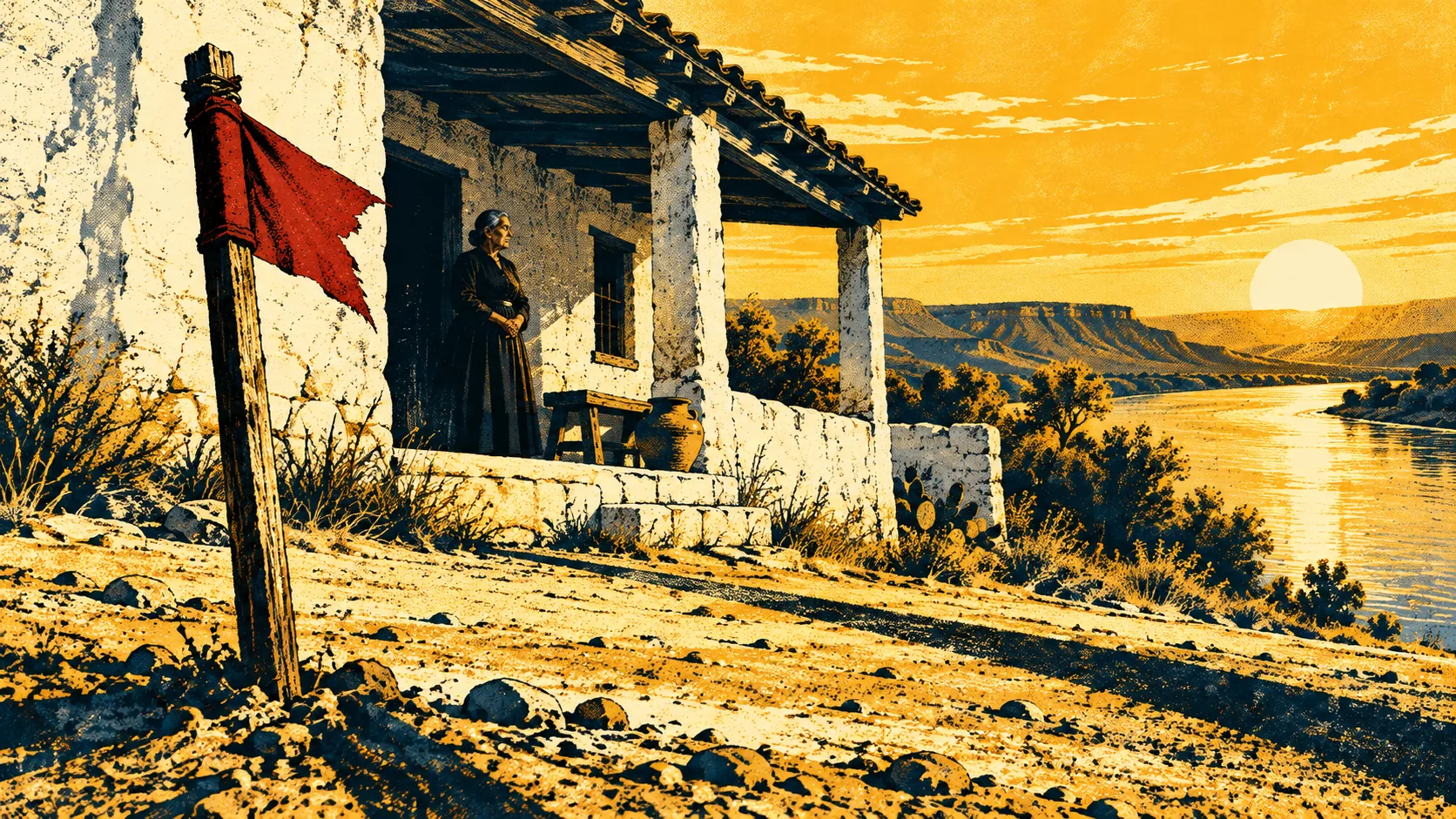
His mother had held her land by a Spanish grant older than the town of San Lázaro. Doña Feliciana never learned to write. She signed every paper of her life with a cross, and the padre signed beside it as her witness. That was how it was done on the river, and everybody knew it.
Then the lawyers came, with English papers and a county court that met in English, and every year the line of her land moved a little closer to the house. By 1859 a lawyer named Harlan held a deed for most of it. Nobody on the river had seen it signed.
In July, Juan rode into San Lázaro for coffee and saddle leather. In the plaza, Marshal Pruitt had an old man down in the dust and was beating him with the butt of a pistol. The old man was Anselmo, who had broken horses on Doña Feliciana's ranch for thirty years and had put Juan on his first pony.
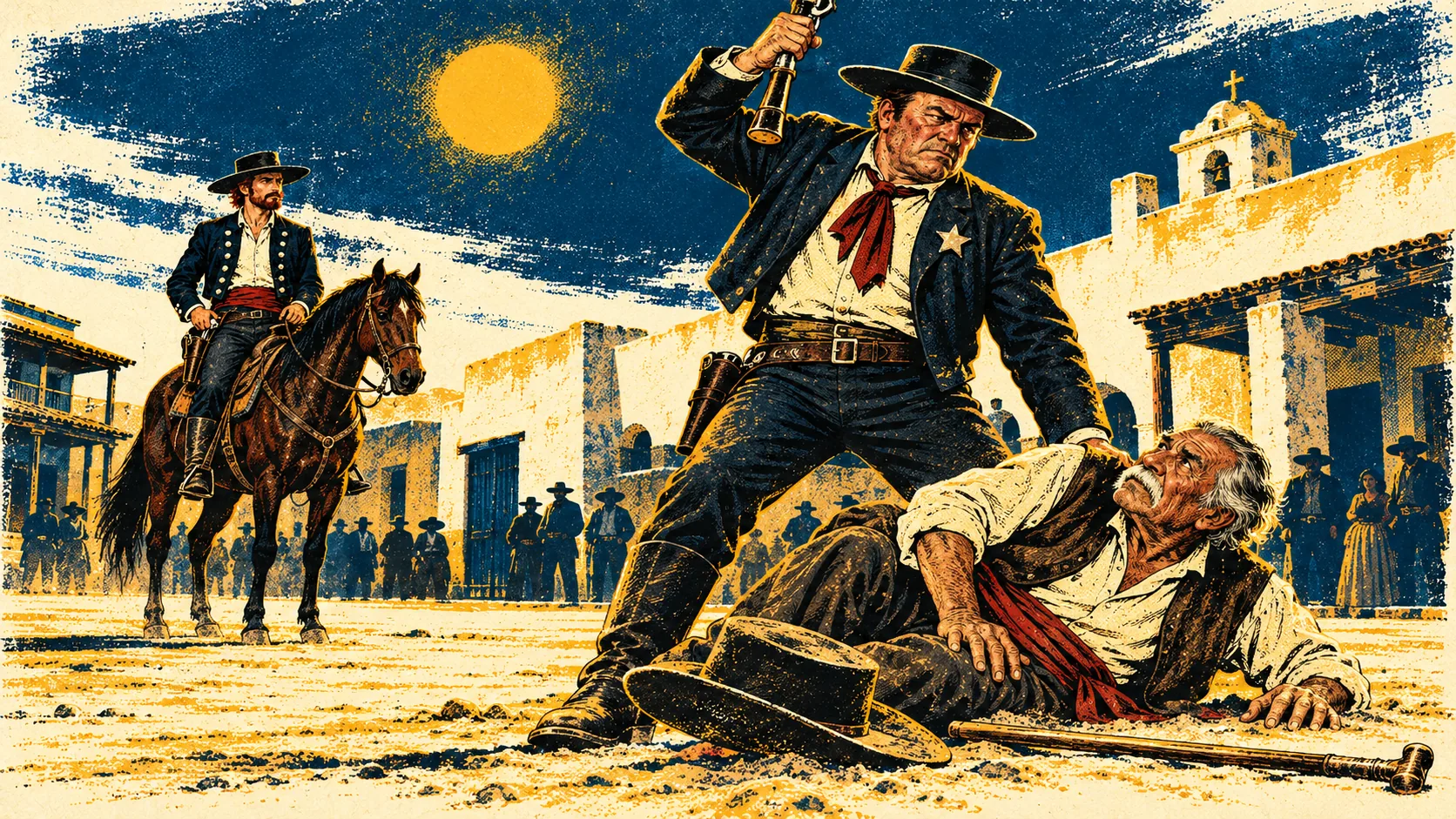
Juan told the marshal to stop. The marshal told Juan what he could do with himself, and with his mother.
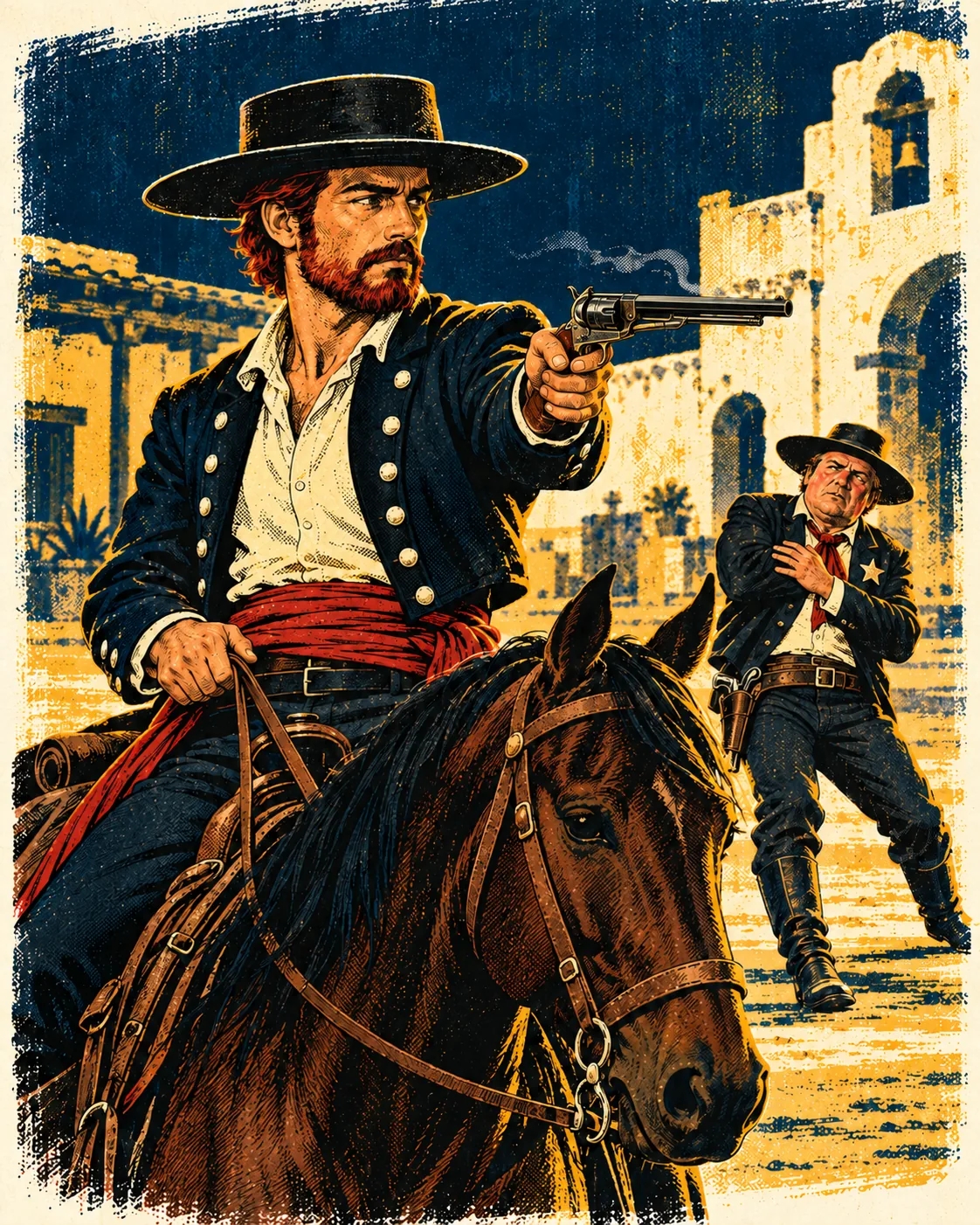
Juan shot him once, in the shoulder.
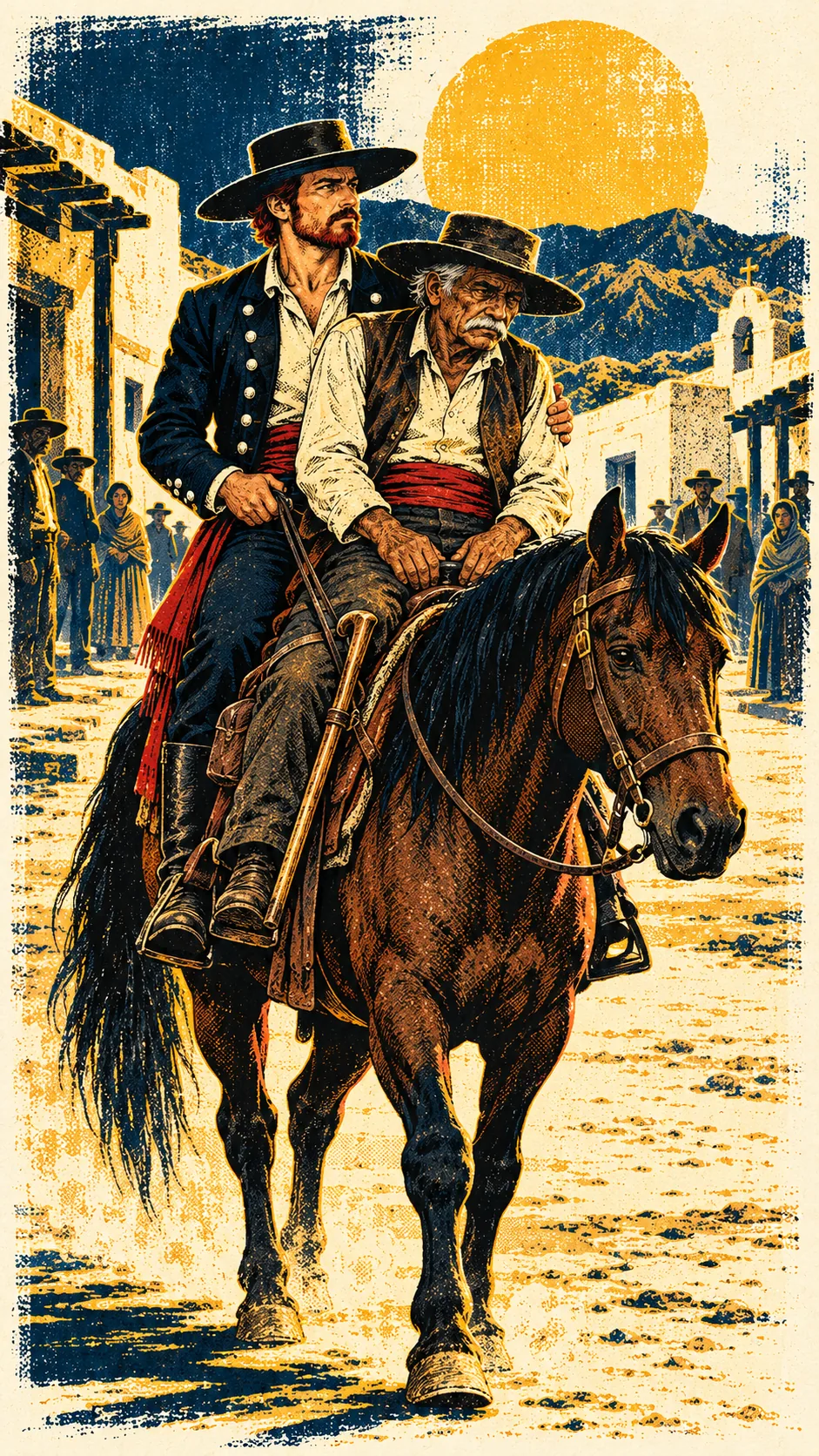
He lifted Anselmo onto his horse, and they rode out of town at a walk. Nobody followed. Nobody wanted to be the first.
By morning there was a price on his head. By the end of summer, sixty riders had come to the ranch on the river. Vaqueros, farmers, a schoolteacher, two brothers who had lost the same field twice. Every one of them had a story about a line on a map that moved.
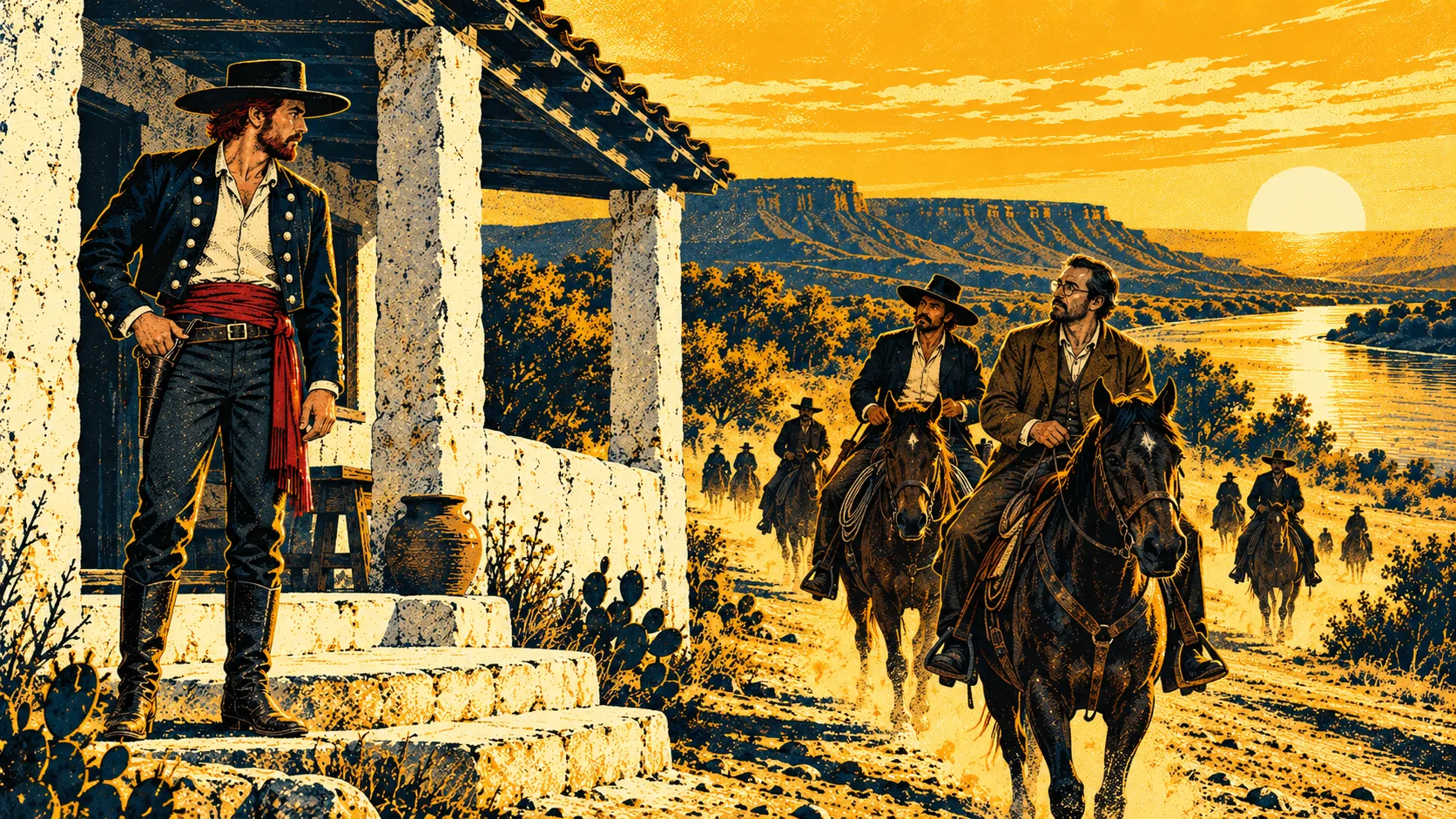
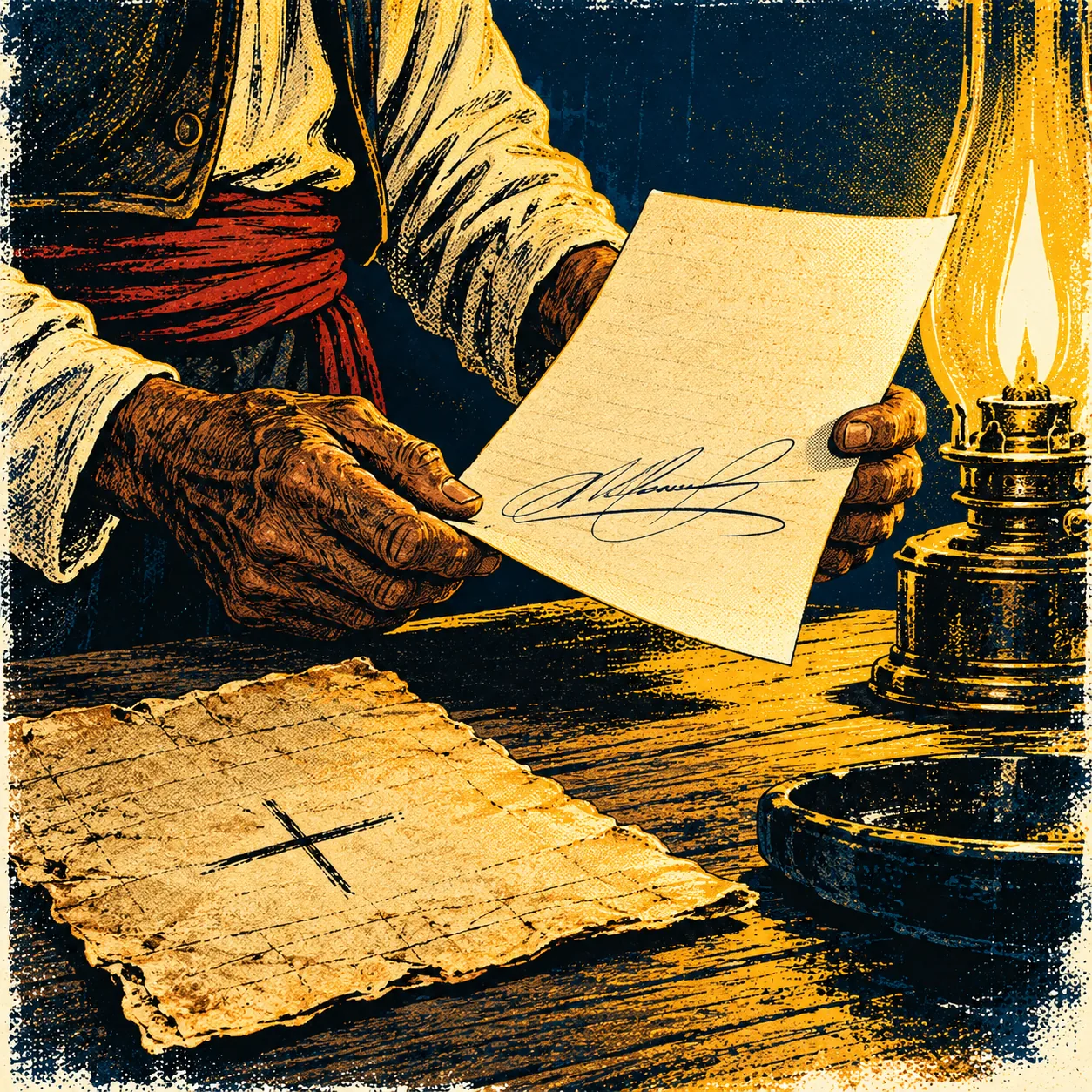
Anselmo mended slowly in the shade of the porch. He didn't talk much. But one evening he asked to see the copy of Harlan's deed that the court had sent to Doña Feliciana, and he held it a long time.
"Your mother's name," he said. "Written out. Every letter."
Juan looked at it. Feliciana Montoya de Cárdenas, in a fine and careful hand. The hand of a woman who had never once in her life written her own name.
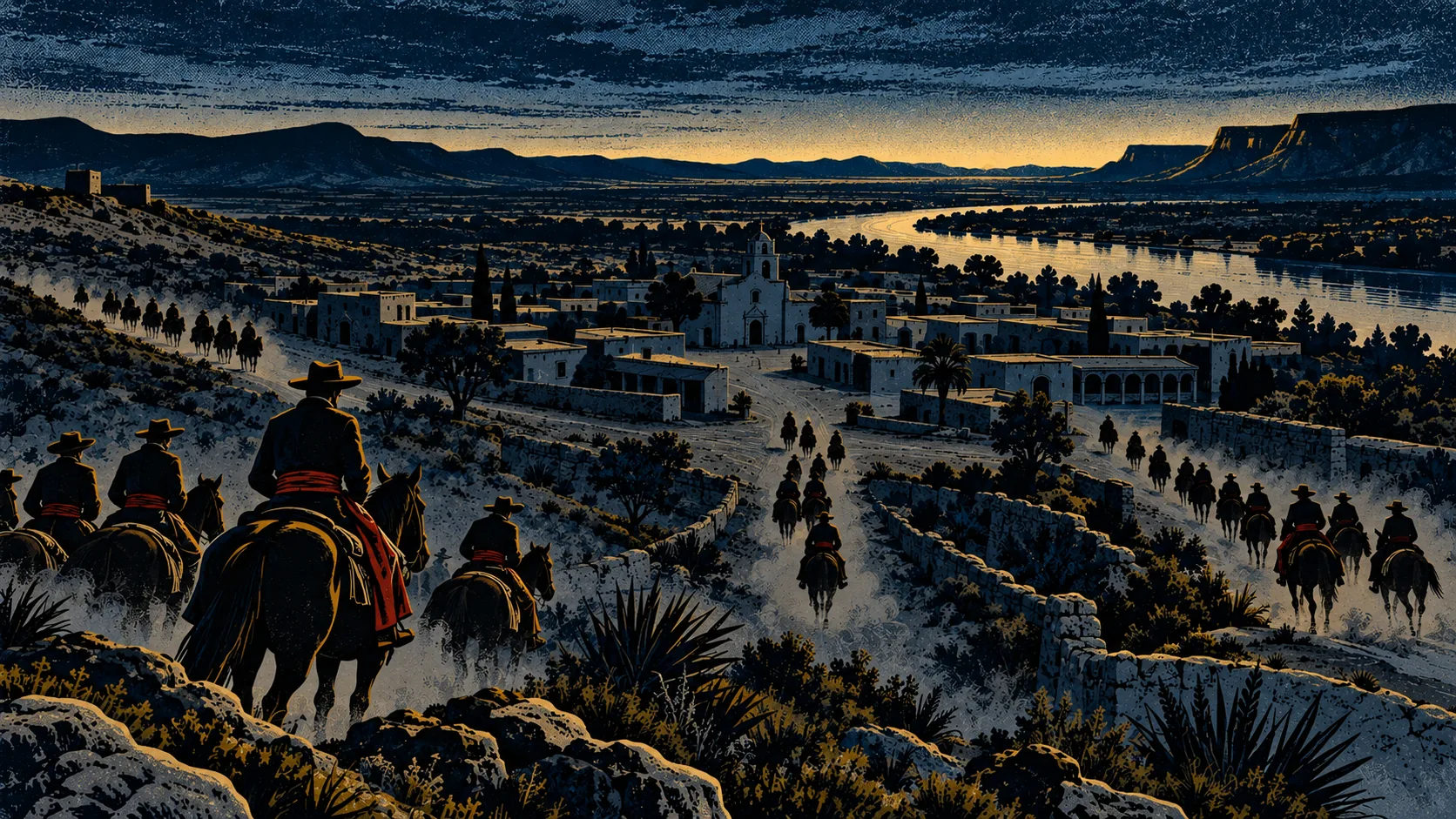
On the last night of September, before dawn, sixty riders came into San Lázaro by three roads at once.
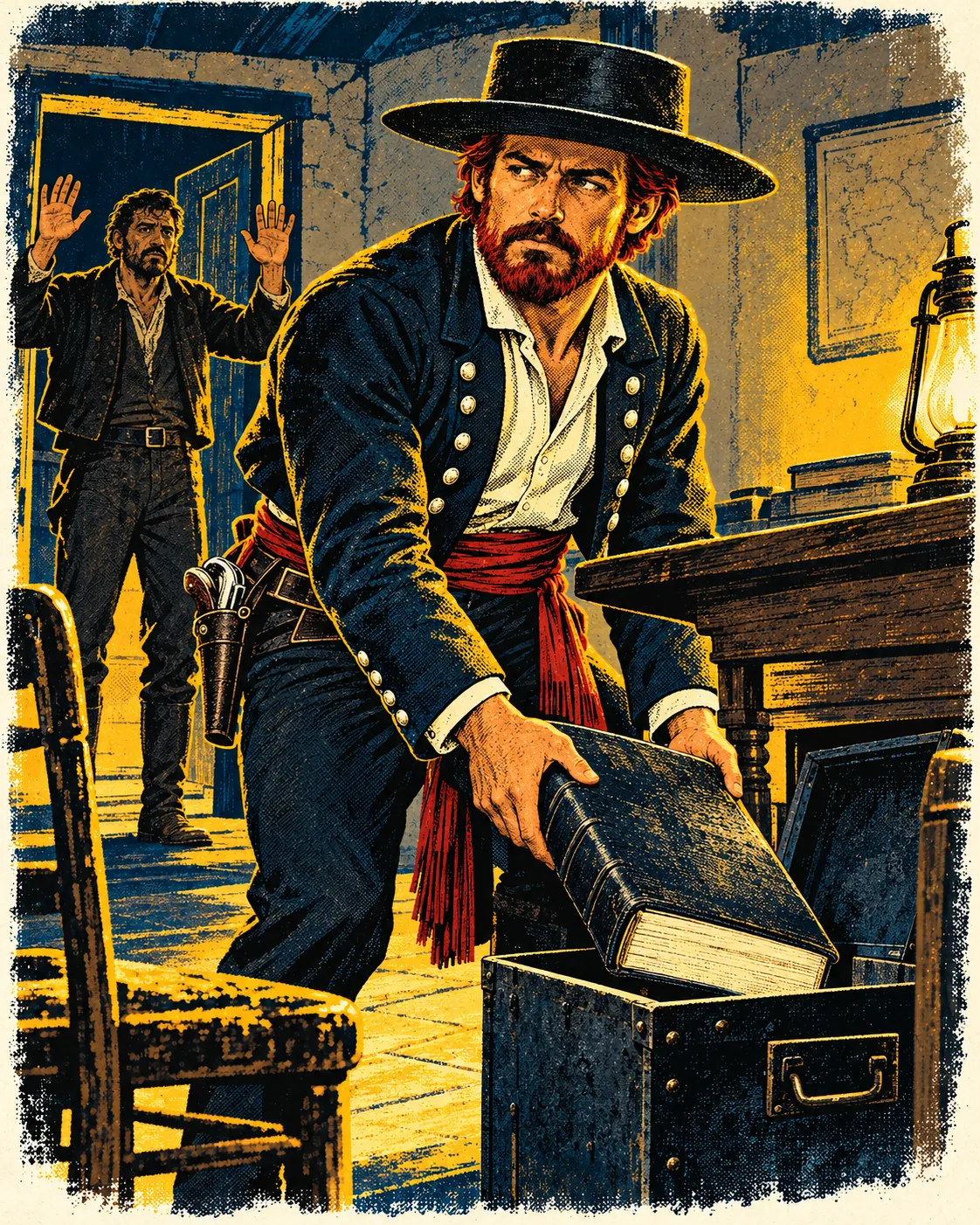
They did not touch the bank. They took the jail, where four men from the river had sat for months without a judge, and the jailer chose not to argue. They took the land office, and the iron box under Harlan's desk, and the deed book inside it.
When the sun came up, the book was across the river, open on a table in front of a judge, a priest and half the town of Matamoros. Forty deeds. Thirty-one of them signed, in a fine and careful hand, by people who signed with a cross.
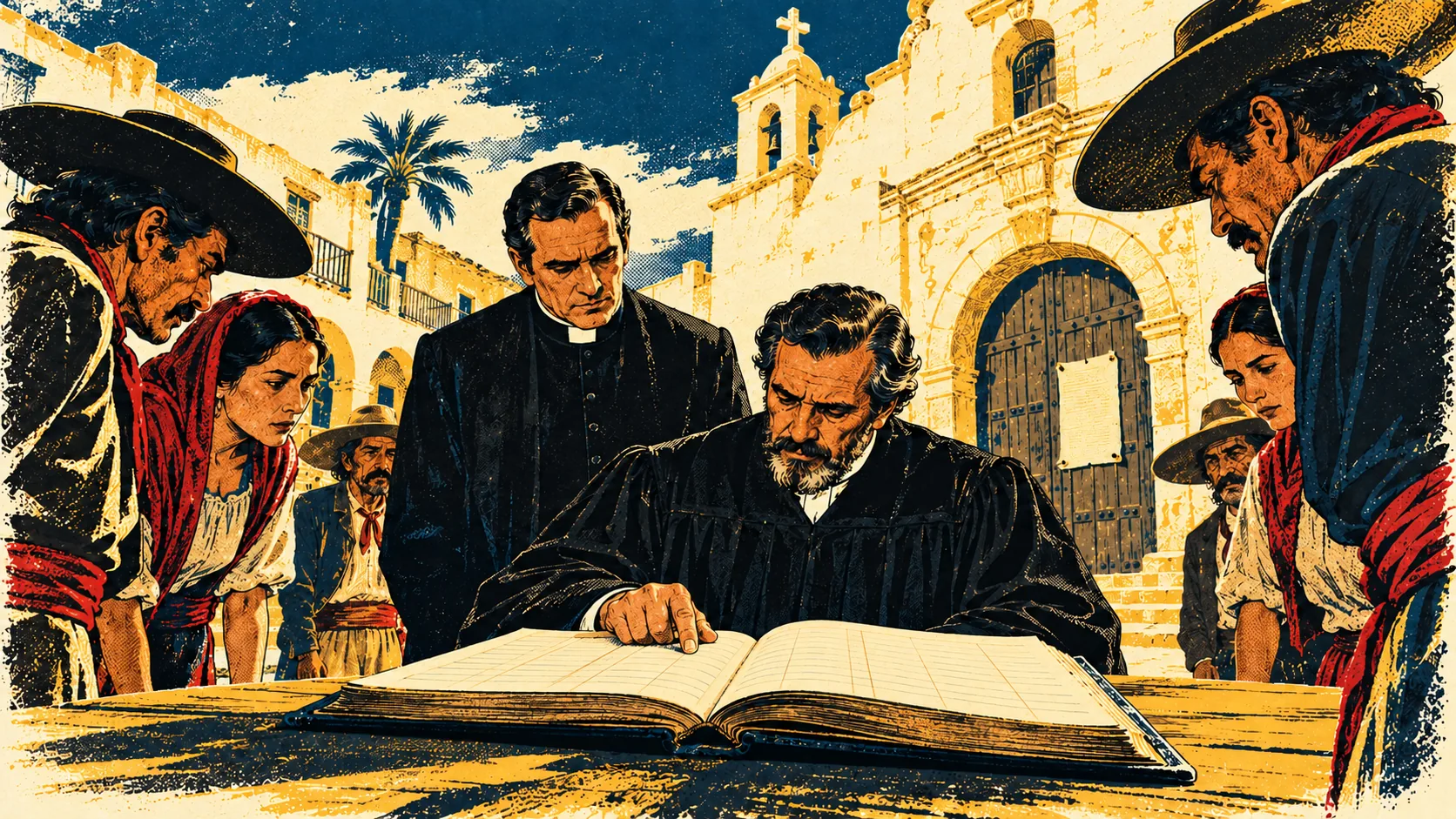
Juan nailed a paper to the church door before he left. It did not say death to anybody. It said that the law should be the law for everybody, and that until it was, the river would remember.
The newspapers in the north called it the raid of a red-bearded bandit. On the river, nobody corrected them.
That night the cantina on the Mexican bank was full. Juan came in last and sat with his back to the wall. The barkeep set down a beer for every rider at the table, and then one more, in front of the empty chair where Anselmo always sat.
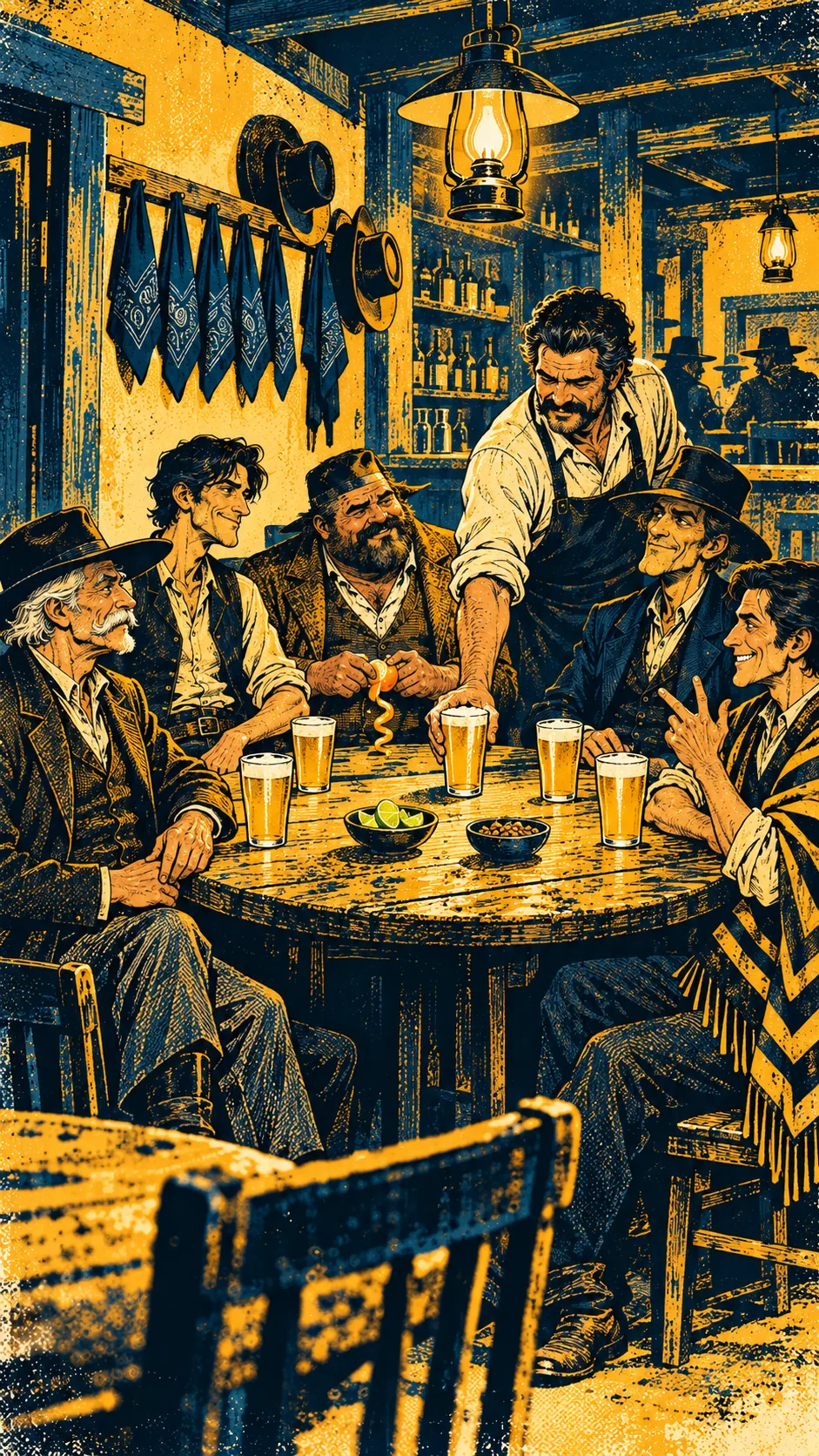
The old man came in leaning on his cane, and lowered himself into it, and lifted the glass.
"One family's land back," Juan said. "There are hundreds more."
"Then una más," said Anselmo. "And una más after that."
The newspapers called them bandidos. On the river, nobody corrected them.
Meet Cerveza para los Bandidos. See the beer
More tales
Deadeye Jack: The Only Miss
Folks still say Deadeye Jack never missed. Jack never corrected them.
Hoppy Ki Yay: The Ballad of John Kincaid
John didn't care for killing. He just never ran from it when a man had earned it.
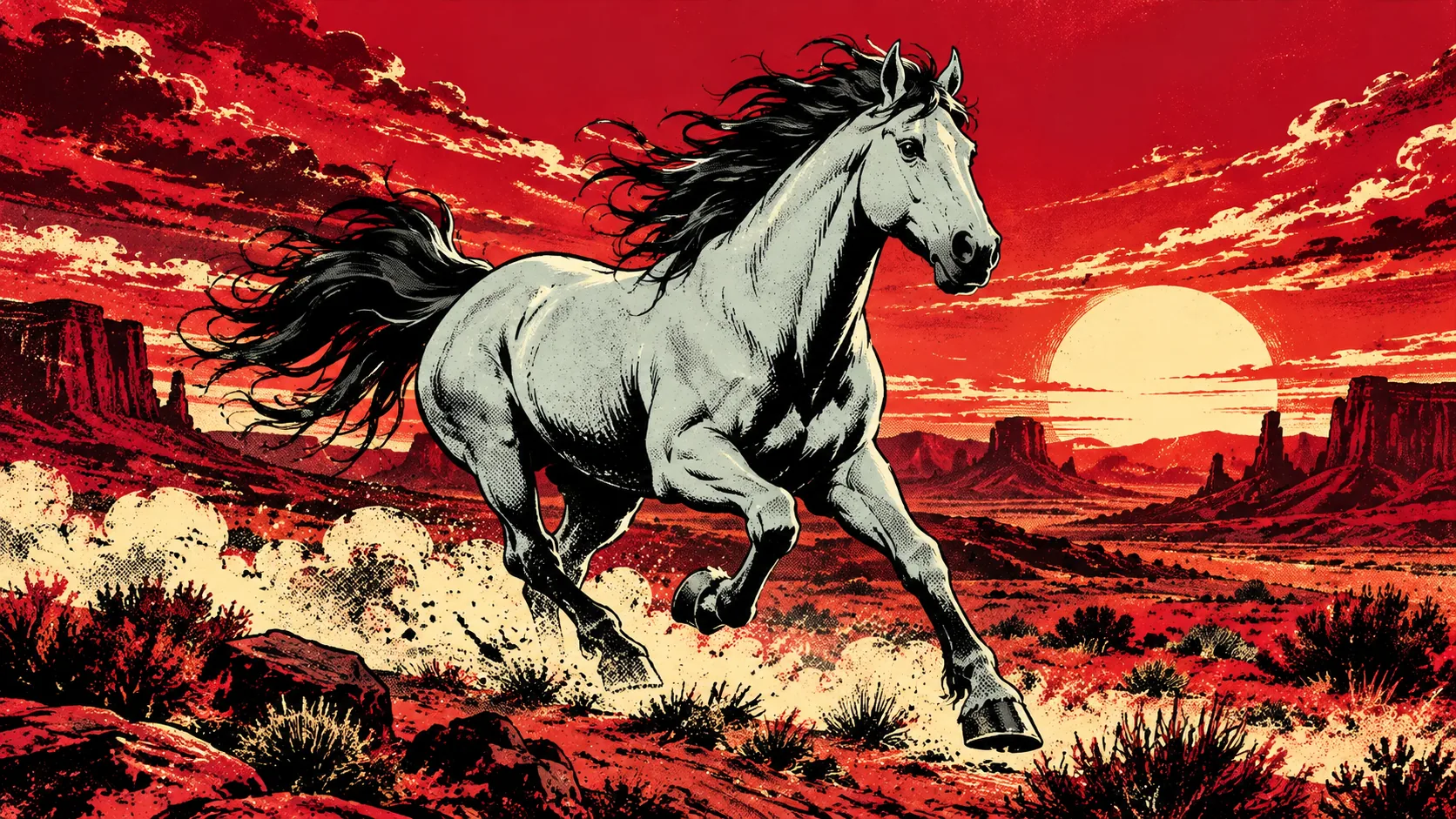
Imperial Light: Unbridled
Some things you can't break. You can only let them go, and hope they come back.
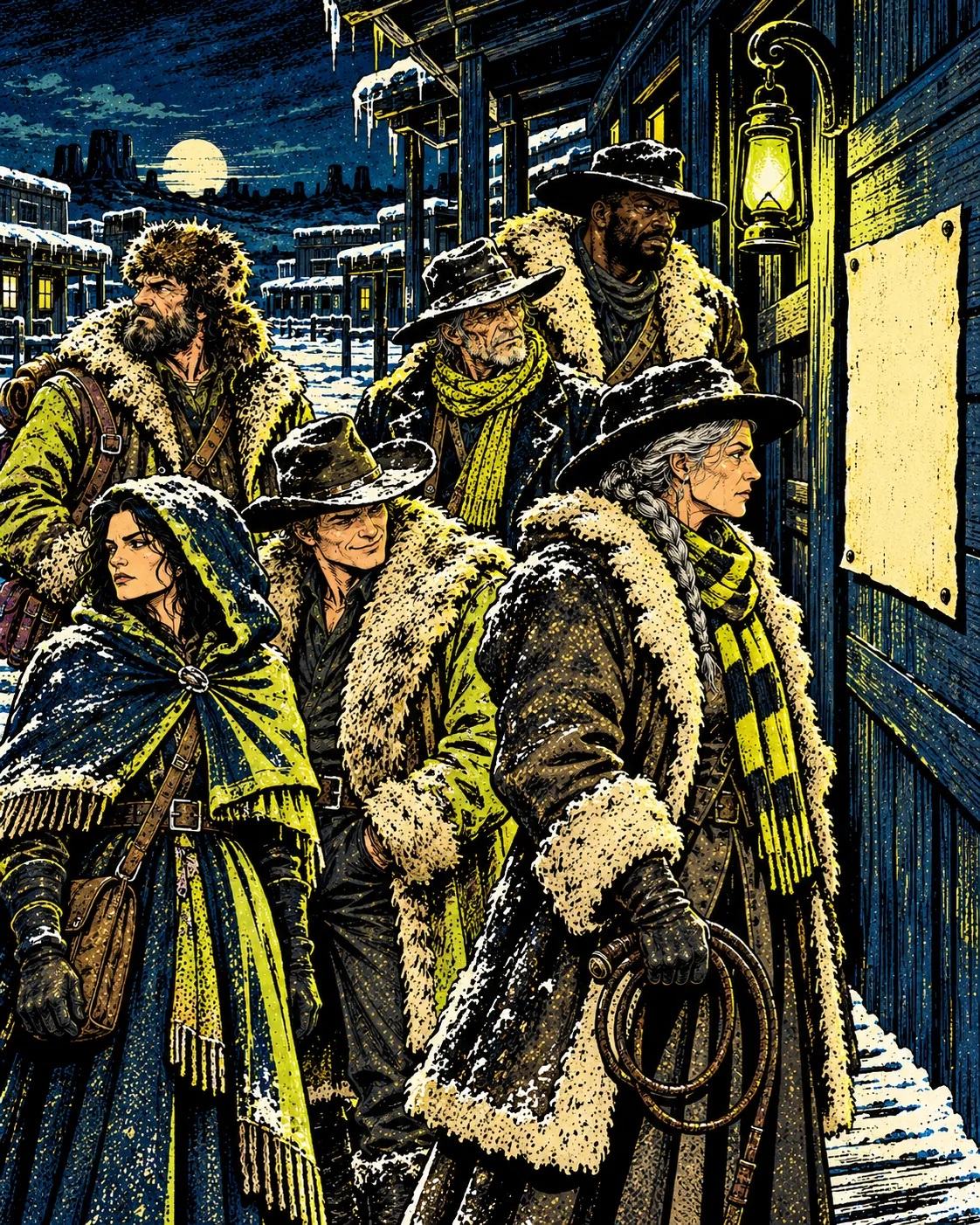
IPA for Outlaws: The Long Haul
Write down that it came. Nobody needs to know who brought it.
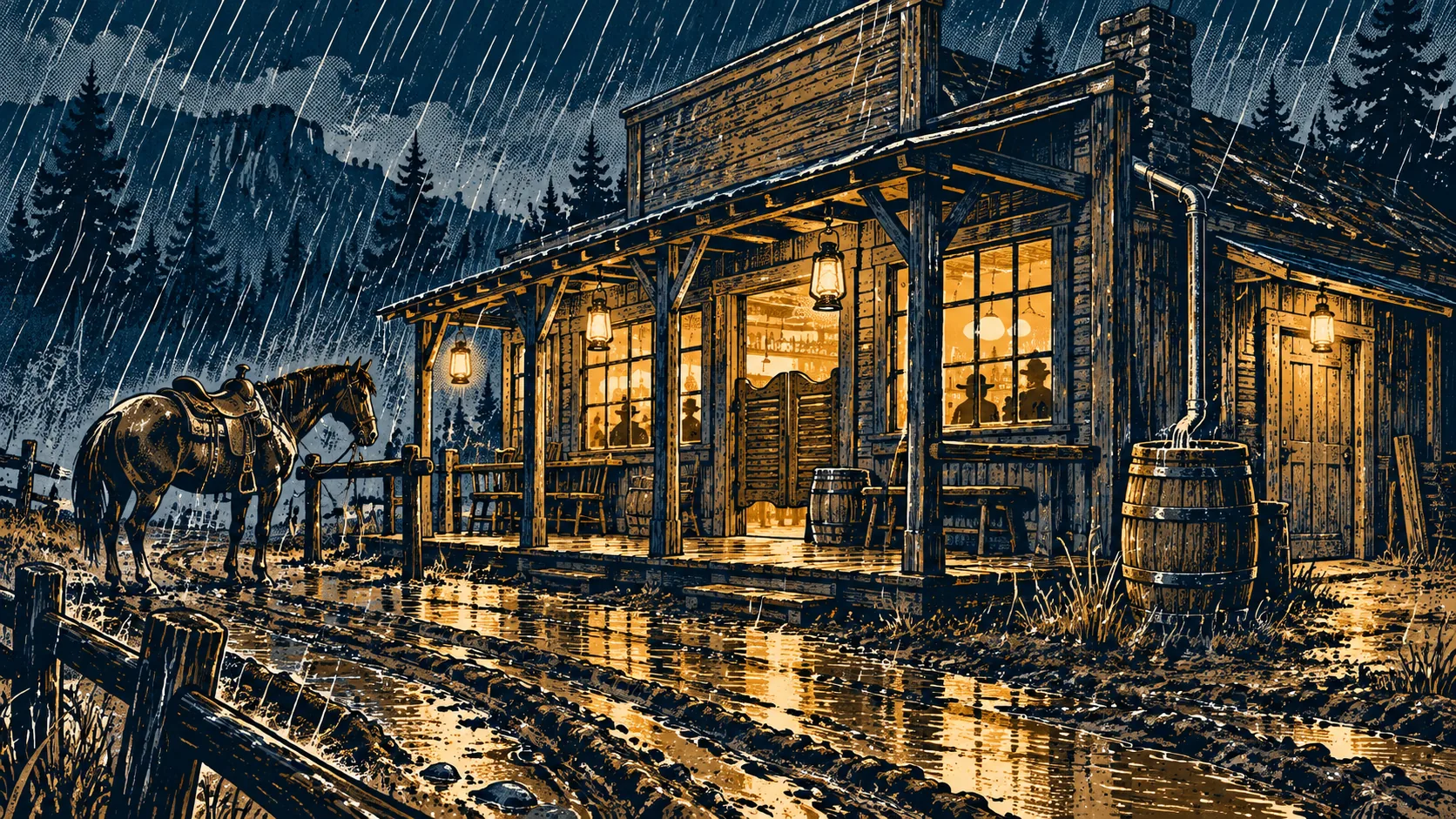
Kolsch for Outlaws: Questionable Company
Polite beer. Questionable company.
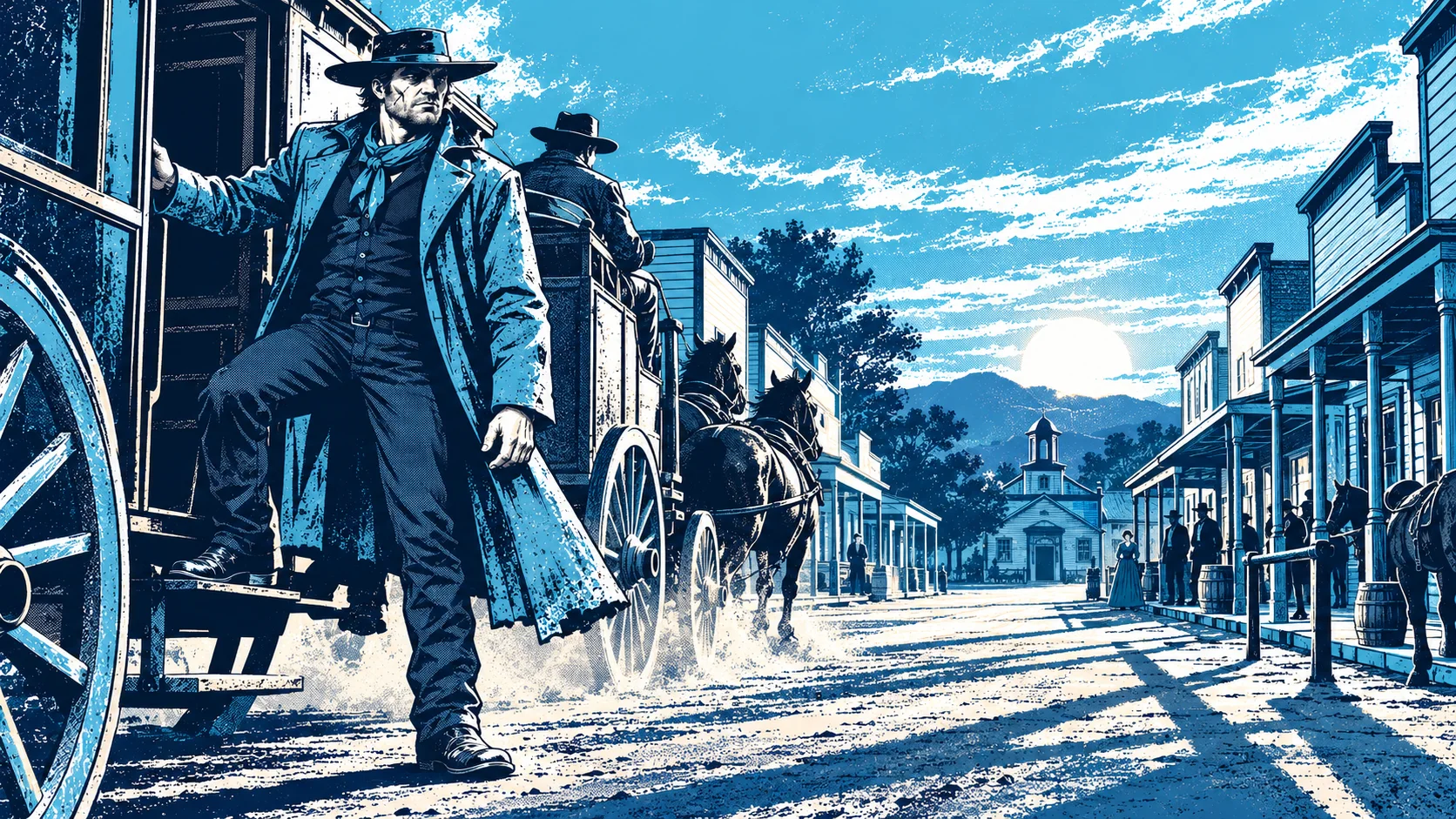
Peacemaker: Closed Forever
SHERIFF'S OFFICE. CLOSED FOREVER.
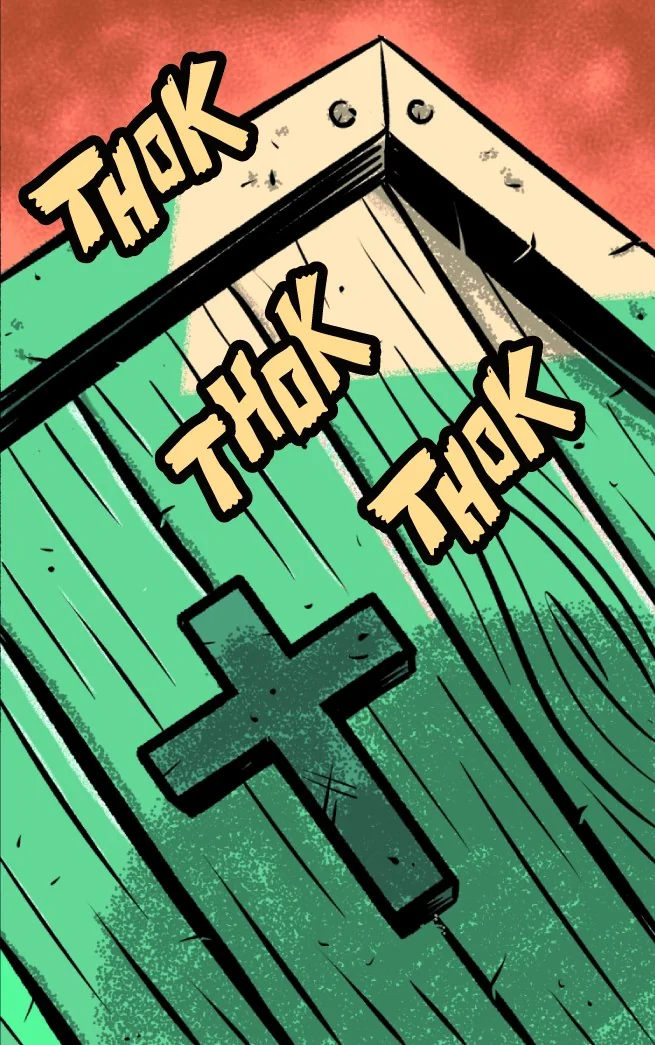
Shotgun Betty: The Beginning
Some fights you give a wide berth.
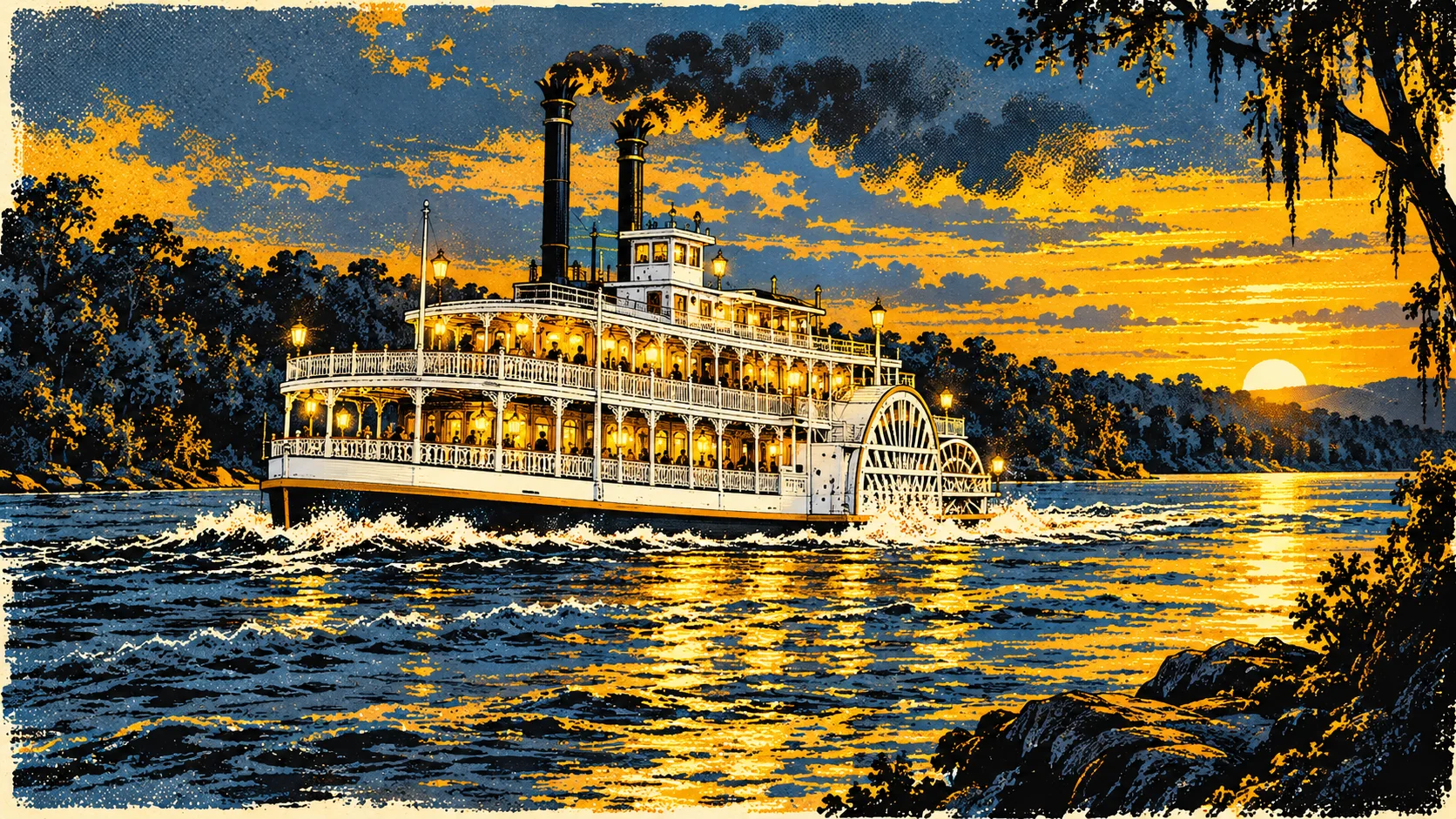
Sundance: High Water
He never played the cards. He played the man across from him.
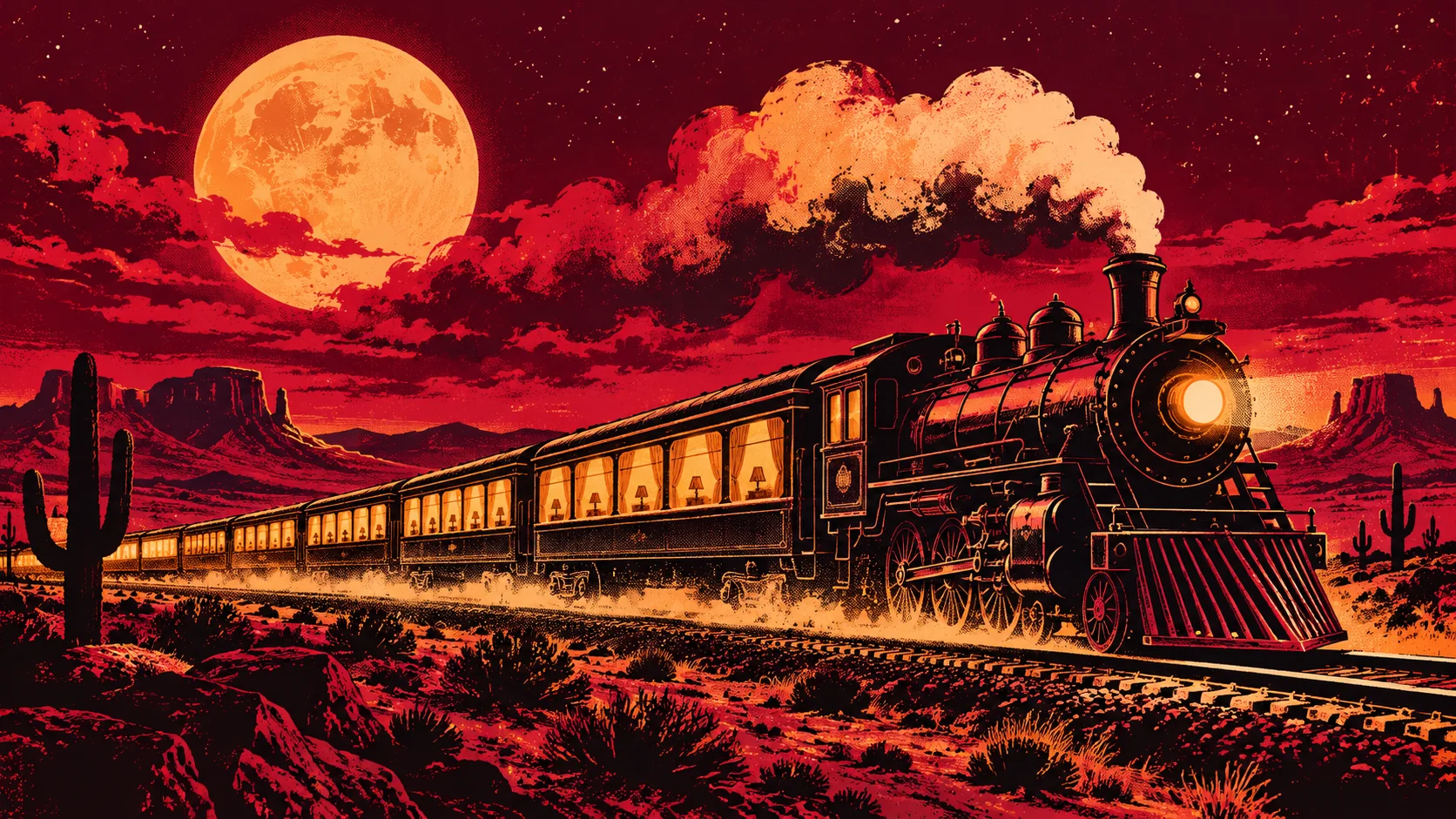
Sweet Josie: The Night Train
Tonight she was a lady, a lady with a little adventure in her.